


Co-Occuring Explained and How Dual Diagnosis Care Works
If you are seeing the word co-occuring in addiction or mental health resources, you are not alone, and you are not expected to already know what it means. People often encounter the term during a crisis: a relapse that seemed to come out of nowhere, a loved one’s mood changes that do not improve with sobriety, or an evaluation that mentions anxiety, depression, PTSD, bipolar disorder, or ADHD alongside substance use.
Co-occuring is commonly used as a misspelling of co-occurring. In behavioral health, it usually refers to having a substance use disorder and a mental health disorder at the same time. You may also hear this called dual diagnosis or comorbidity.
This guide breaks down what co-occuring means, why it matters, and what effective integrated treatment looks like when mental health and addiction overlap.
What does co-occuring mean?
Co-occuring means two conditions are present at the same time. In addiction care, the phrase most often describes:
- A substance use disorder (alcohol, opioids, methamphetamine, cocaine, benzodiazepines, cannabis, etc.)
- A mental health disorder (depression, anxiety disorders, PTSD, bipolar disorder, schizophrenia spectrum disorders, and others)
SAMHSA defines co-occurring disorders as the coexistence of a mental health disorder and a substance use disorder, noting that combinations can vary and are not limited to one specific pairing.
Why this matters: treating one issue often is not enough
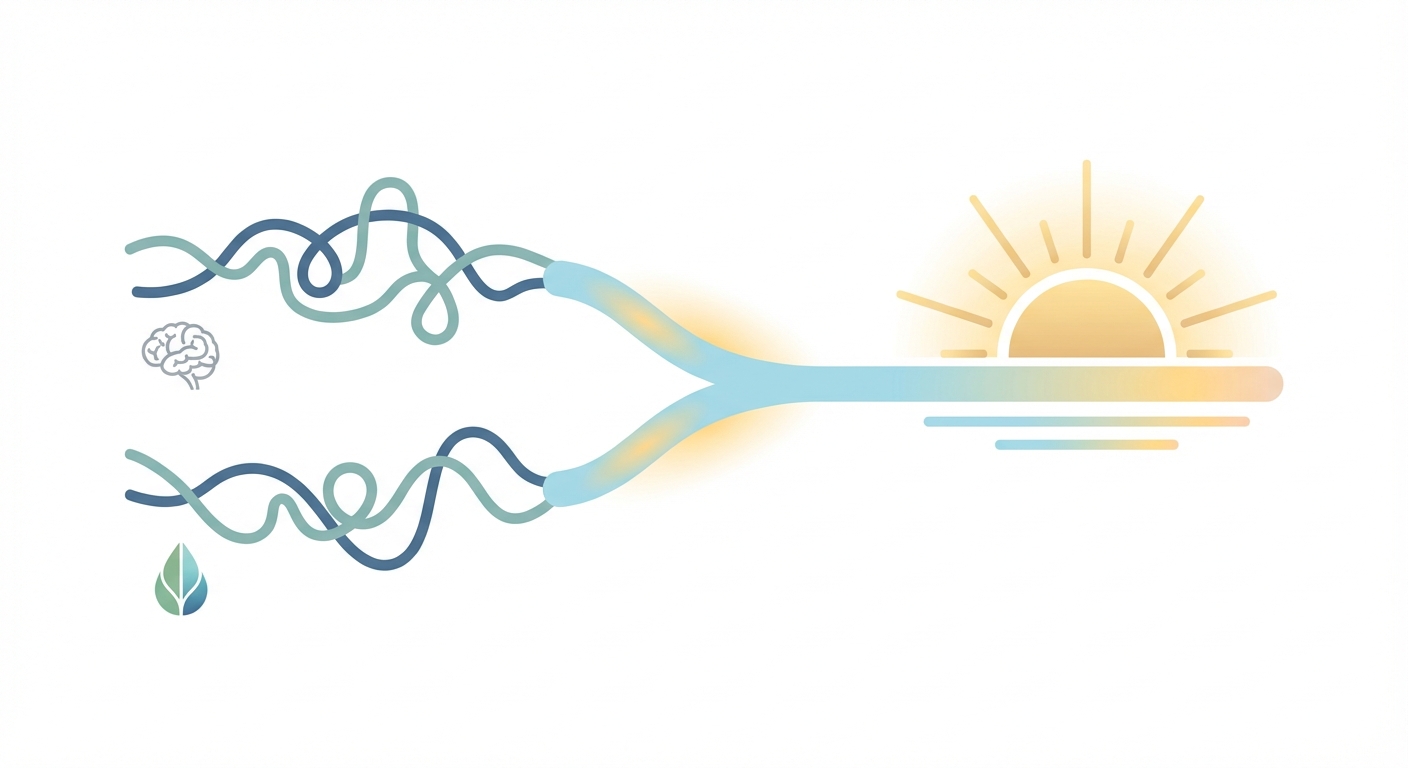
When mental health symptoms and substance use are tangled together, treating only one side can leave the other side pushing recovery off course.
For example:
- Someone stops drinking, but untreated panic attacks continue. They return to alcohol to sleep or calm down. (Related: how alcohol can affect behavior and decision-making.)
- Someone with PTSD tries to quit opioids, but flashbacks and hypervigilance spike during withdrawal. Without trauma-informed support, relapse risk rises.
- Someone with bipolar disorder stops using stimulants, but mood episodes continue. The person may use again to “fix” depression or to slow down racing thoughts.
Integrated, dual diagnosis care is built for this reality: recovery is more stable when both conditions are addressed together.
How common are co-occurring disorders?
Co-occurring challenges are widespread. According to SAMHSA, about 21.2 million adults had a co-occurring mental illness and substance use disorder (SAMHSA co-occurring disorders page, citing the 2024 NSDUH).
SAMHSA also highlights that people with co-occurring disorders often face additional stressors that can complicate recovery, including housing instability, unemployment, involvement in the criminal justice system, and increased suicide risk.
Co-occuring vs dual diagnosis vs comorbidity
- Co-occurring disorders: Usually means a mental health disorder and a substance use disorder happening together. Sometimes used more broadly to mean multiple conditions at the same time.
- Dual diagnosis: Often used interchangeably with co-occurring disorders, especially in treatment settings.
- Comorbidity: A broader medical term for having more than one diagnosis at once. In addiction, it can refer to mental health disorders plus physical conditions (like chronic pain or liver disease) along with substance use disorder.
Even though the terms differ, the practical takeaway is the same: the plan needs to treat the whole person, not just the substance use.
Why co-occuring disorders happen
There is rarely one simple cause. More often, it is a mix of biology, life experience, and the way substances affect the brain and body.
1) Self-medication and short-term relief
Many people use substances to manage symptoms they do not have words for yet, including:
- Racing thoughts
- Panic attacks
- Depression or numbness
- Trauma-related nightmares
- Social anxiety
- Insomnia
Substances can feel like they work at first. Over time, the brain adapts, tolerance builds, and the rebound effects can make the original symptoms worse.
2) Substances can trigger or intensify mental health symptoms
- Alcohol is a depressant and can worsen depression and sleep quality over time.
- Stimulants (cocaine, meth) can increase anxiety, agitation, and paranoia, especially with high doses or sleep deprivation. (See also: how long cocaine lasts and how its effects can impact the body.)
- Cannabis can worsen anxiety for some people, and in vulnerable individuals can be associated with psychosis-like symptoms.
- Withdrawal can mimic or intensify anxiety and mood symptoms, making it hard to tell what is “primary” without clinical assessment.
3) Shared risk factors
Co-occurring disorders also share risk factors such as:
- Genetic vulnerability
- Adverse childhood experiences and trauma
- Chronic stress
- Unstable housing or unsafe living environments
- Medical conditions and chronic pain
- Social isolation and lack of support
Signs addiction and mental health may be co-occuring
No online list can diagnose you, but these patterns are common in co-occurring disorders and can signal that it is time to seek an assessment:
- Using alcohol or drugs specifically to cope with anxiety, depression, trauma symptoms, or sleep problems
- Mental health symptoms that continue weeks after detox or after stopping substances
- Repeated relapse when mental health symptoms flare up
- Periods of heavy use during grief, conflict, job loss, or major stress
- Episodes of severe agitation, paranoia, hallucinations, or disorganized thinking
- Increasing isolation, hopelessness, or thoughts of self-harm
If you suspect immediate danger (suicidal thoughts, overdose risk, or risk of harm to others), call 988 or emergency services right away.
Common co-occurring combinations
Some pairings show up frequently in treatment settings:
- Alcohol use disorder + depression or anxiety
- Opioid use disorder + PTSD
- Stimulant use disorder + anxiety or paranoia symptoms
- Cannabis use disorder + mood disorders
- Bipolar disorder + alcohol or stimulant misuse
- ADHD + substance misuse
How co-occuring disorders are diagnosed
A quality evaluation usually includes a biopsychosocial assessment, which looks at biological factors (health and family history), psychological factors (symptoms and coping), and social factors (safety, housing, relationships, work).
Clinicians often ask timeline questions such as:
- Did anxiety or depression start before substance use, during it, or after it escalated?
- Do symptoms improve with abstinence, or do they persist?
- What triggers substance use: panic, insomnia, trauma memories, social stress, or something else?
One reason diagnosis can be tricky is that intoxication and withdrawal can mimic mental health symptoms. This is why programs often focus first on stabilization, then reassess mental health once the body and sleep cycle begin to normalize.
How treatment works for co-occuring disorders
Evidence-informed guidance from SAMHSA emphasizes that integrated care is the preferred model for co-occurring disorders, meaning mental health and substance use disorders are treated concurrently as part of one coordinated plan.

Step 1: Stabilization and detox when needed
Detox may be medically necessary, especially for alcohol and benzodiazepines, where withdrawal can be dangerous. Detox alone is not treatment, but it can create a safer starting point. If you’re comparing programs, this overview of what rehab facilities typically offer can help you understand common services and levels of support.
Step 2: Integrated therapy that targets both conditions
Effective dual diagnosis programs commonly use therapies such as:
- Cognitive Behavioral Therapy (CBT) for substance use and mood/anxiety patterns
- Dialectical Behavior Therapy (DBT) for emotion regulation, distress tolerance, and relapse prevention
- Motivational Interviewing (MI) to strengthen readiness for change without shame
- Trauma-informed approaches when PTSD or trauma history is present
- Relapse prevention planning that includes mental health warning signs, not just substance triggers
SAMHSA’s integrated treatment principles include treating both disorders at the same time, using motivational techniques, offering multiple formats (individual, group, family, peer support), and carefully monitoring medications for safety and interactions.
Step 3: Medication management when appropriate
Medication can be a helpful part of recovery for some people, including medications that address:
- Depression or anxiety
- Bipolar mood stabilization
- Psychotic symptoms
- Cravings and opioid or alcohol use disorder (for example, FDA-approved medications for addiction treatment)
Important safety note: SAMHSA cautions that combining medications used for treating substance use disorders with certain anxiety medications such as benzodiazepines can have serious adverse effects. Medication decisions should be individualized and managed by qualified clinicians who can consider substance use history, overdose risk, and interactions.
Step 4: Matching the level of care to severity
The right setting depends on safety, symptom severity, and your recovery environment. Options can include:
- Inpatient or residential treatment
- Partial hospitalization programs (PHP)
- Intensive outpatient programs (IOP)
- Standard outpatient therapy plus psychiatric support
If you have severe depression, suicidal thoughts, a history of psychosis or mania, or an unsafe home environment, a higher level of care may be safer and more effective at the start.
Step 5: Long-term support and continuity of care
Co-occuring disorders often require longer support. A strong plan may include:
- Regular therapy and psychiatry follow-ups
- Peer support (recovery groups, dual recovery groups, or other community supports)
- Family education and communication planning
- Support for sleep, routines, stress management, and physical health
- Help with housing, employment, or legal needs when relevant
Some people benefit from structured sober housing after a higher level of care. Learn more about halfway houses and transitional living and how they can support stability in early recovery.
What to look for in a co-occuring or dual diagnosis program
If you are calling programs or helping a loved one compare options, these questions can make the search less overwhelming:
- Do you treat substance use disorder and mental health at the same time?
- Is there access to licensed mental health clinicians and psychiatry?
- Is the program trauma-informed?
- How do you manage medications, and how do you avoid unsafe combinations?
- Do you create an aftercare plan before discharge (IOP, outpatient therapy, peer support)?
- How do you respond to relapse risk related to mental health symptoms?
Practical next steps if you think co-occuring issues are present
- Track the pattern for 1 to 2 weeks if it is safe to do so: substance use, sleep, mood, panic, triggers, and cravings.
- Ask for a co-occurring assessment, not just “addiction treatment” or “therapy.” Using the right words can help you get the right referral.
- Prioritize safety: withdrawal risk, overdose risk, suicidal thoughts, and unsafe living situations should be addressed immediately.
- Look for integrated treatment or dual diagnosis care that treats both conditions together.
- Plan continuity of care before the first phase of treatment ends. Recovery is a process, not a single event.
If you’re also exploring supportive, mind-body strategies alongside clinical care, Alternative Addiction maintains a directory of mental health resources in San Francisco, California (useful for finding therapy and local supports in some regions).
Frequently Asked Questions
Is co-occuring the same as co-occurring disorders?
Yes. “Co-occuring” is a common misspelling. In addiction and mental health care, co-occurring disorders usually means having a substance use disorder and a mental health disorder at the same time, sometimes called dual diagnosis.
What are examples of co-occurring disorders?
Common examples include alcohol use disorder with depression, opioid use disorder with PTSD, stimulant use disorder with anxiety or paranoia symptoms, and bipolar disorder with alcohol or stimulant misuse. Each person’s combination and severity can be different.
How do clinicians tell if symptoms are from withdrawal or mental illness?
Clinicians look at timing, symptom history, and what happens after stabilization. Intoxication and withdrawal can mimic anxiety, depression, and other symptoms, so providers often reassess mental health after sleep and physical withdrawal symptoms begin to improve.
What is integrated treatment for co-occurring disorders?
Integrated treatment means treating substance use disorder and mental health conditions concurrently, in a coordinated plan. SAMHSA recommends this approach because it addresses the full set of symptoms, reduces gaps in care, and supports long-term recovery.
Do co-occurring disorders require inpatient treatment?
Not always. Some people do well in outpatient therapy and medication management, while others need residential care, PHP, or IOP. The best level of care depends on safety, symptom severity, relapse risk, and whether the home environment supports recovery.
Need Help Now?
If you or someone you love is struggling with addiction, help is available 24/7.
- SAMHSA National Helpline: 1-800-662-4357 (free, confidential, 24/7)
- Crisis Text Line: Text HOME to 741741
- National Suicide Prevention Lifeline: 988
Recovery is possible. Take the first step today.
Find Help Near You
Historic Downtown Support & Live Space
42 W Ramsey St, Banning, CA 92220
Phone: (951) 618-4131