
Fentanyl is a synthetic opioid roughly 50 to 100 times more potent than morphine. It has a legitimate role in surgery and cancer pain, and the illicitly manufactured version has driven the deadliest phase of the American overdose crisis. Provisional CDC data show synthetic opioid deaths fell 22 percent in 2025, the clearest evidence yet that naloxone access and treatment change outcomes.
Quick reference
| Drug class | Synthetic opioid; mu-opioid receptor agonist |
|---|---|
| DEA schedule | Schedule II |
| Potency | About 50 to 100 times morphine. Carfentanil is far stronger still |
| Lethal dose without tolerance | Roughly 2 milligrams, a few grains of salt |
| Found in | Counterfeit pills, heroin, cocaine, methamphetamine, and pressed tablets of all kinds |
| Overdose reversal | Naloxone nasal spray, sold over the counter. Often needs more than one dose |
| 2025 synthetic opioid deaths | About 38,100, down from roughly 48,900 in 2024 (CDC provisional data) |
| Common adulterant | Xylazine, a veterinary sedative that naloxone does not reverse |
Why potency is the whole problem
Fentanyl has been used safely in operating rooms for decades. The danger in the illicit supply is not sophistication, it is dose control. Clandestine labs produce it without quality control, and it is then blended into powders or pressed into tablets by hand. Distributing a two milligram active dose evenly through a kilogram of filler is not achievable with that equipment.
The result is wild variation in strength between batches, and sometimes within a single batch. That variability is what kills people. Someone with substantial tolerance may survive one pill and die from the next one out of the same bag. You cannot titrate a dose you cannot measure.
Where fentanyl turns up
- Counterfeit prescription pills. Fake oxycodone, fake Xanax, fake Adderall, sold largely through social media. DEA testing has repeatedly found a large share of seized counterfeit tablets contain a potentially lethal fentanyl dose.
- Heroin. Across much of the country what is sold as heroin is fentanyl, sometimes with no heroin present at all.
- Cocaine and methamphetamine. Through shared equipment and deliberate adulteration. Stimulant users usually have no opioid tolerance, which makes even small exposure lethal.
- Nitazenes. A newer class of synthetic opioids, some more potent than fentanyl, not detected by standard fentanyl test strips.
Recognizing and reversing an overdose
Opioid overdose kills by suppressing the brainstem drive to breathe. It is usually not instant, and there is often a window of many minutes in which intervention works.
Signs: unresponsive to shouting or a firm rub on the breastbone; breathing very slow, shallow, gurgling or stopped; pinpoint pupils; blue or grey lips, fingertips and face; limp body; snoring or choking sounds, which indicate a blocked airway rather than sleep.
- Call 911. Most states, including California, have Good Samaritan laws that protect people who call for help at an overdose from certain drug possession charges.
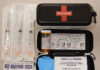
- Give naloxone, one spray into one nostril.
- Repeat every two to three minutes if there is no response. Stopping after a single dose is the most common bystander mistake with fentanyl.
- Support breathing with rescue breaths if you are trained, or chest compressions if there is no pulse.
- Stay. Naloxone can wear off before the fentanyl clears, and the person can go back into overdose.
Harm reduction that measurably saves lives
- Never use alone. Hotlines such as Never Use Alone (1-800-484-3731) stay on the phone and dispatch help if the caller stops responding.
- Fentanyl test strips are legal in many states, including California, and distributed free by harm reduction programs. They detect presence, not quantity, and can miss nitazenes.
- Carry naloxone, and make sure other people know where it is.
- Tolerance disappears fast. After jail, hospitalization or detox, a previously routine dose can be fatal. Overdose deaths cluster sharply in the first two weeks after release from custody.
Withdrawal and treatment
Fentanyl is highly fat soluble, so it accumulates in tissue with repeated use and releases slowly. In practice withdrawal often begins abruptly and severely, then has a longer tail than the classic heroin timeline.
It also complicates treatment. Starting buprenorphine too early in someone dependent on fentanyl can trigger precipitated withdrawal, an abrupt and severe reaction that frequently causes people to abandon treatment. Clinicians manage this with low dose or extended initiation protocols, which is a strong argument for starting medication under supervision rather than improvising at home.
Fentanyl use disorder is treated as opioid use disorder. Buprenorphine, methadone and extended release naltrexone are the FDA approved options, and medication roughly halves mortality compared with counseling alone. Detox on its own is not treatment and raises overdose risk, because tolerance falls while nothing else has changed.
Common questions
Can you overdose by touching fentanyl?
No. This fear has been widely amplified and toxicology does not support it. Fentanyl is not meaningfully absorbed through intact skin in the amounts encountered incidentally. Brush powder off and wash with soap and water. The myth causes real harm by making bystanders hesitate to give naloxone.
How many doses of naloxone are needed?
Often more than one, sometimes three or four. Give a dose, wait two to three minutes, give another if there is no response, and continue until breathing returns or paramedics arrive. You cannot harm someone by giving naloxone unnecessarily.
Do fentanyl test strips actually work?
They reliably detect fentanyl and many analogues in a dissolved sample. Two limits: they tell you presence rather than quantity, and they can miss nitazenes and some novel compounds. A negative strip is not a safety guarantee.
Is fentanyl in marijuana?
Widely rumored and very rarely confirmed. There is no economic logic to it and almost no verified laboratory evidence. The documented risks are counterfeit pills, powders and contaminated stimulants.
Why are overdose deaths falling if fentanyl is still everywhere?
Most analysts credit a combination of far wider naloxone distribution, better access to buprenorphine and methadone, changes in the composition of the drug supply, and the grim fact that the population most at risk has already been heavily depleted. The decline is real and the total is still close to 70,000 deaths a year.
Sources
- CDC National Center for Health Statistics, provisional drug overdose death counts for 2025
- National Institute on Drug Abuse, fentanyl drug facts
- Drug Enforcement Administration, counterfeit pill testing and public warnings
- FDA, approval of naloxone nasal spray for over-the-counter sale
- SAMHSA, clinical guidance on xylazine and emerging adulterants
Need help now? In an emergency call 911. If you are in crisis or thinking about suicide, call or text 988 (Suicide and Crisis Lifeline; veterans press 1). For free, confidential treatment referrals 24 hours a day, call the SAMHSA National Helpline at 1-800-662-4357. You can also search licensed programs at FindTreatment.gov, or use our rehab directory and state listings.
Addiction Now publishes health journalism and reference material. This page is not medical advice, a diagnosis, or a treatment plan. Do not stop a prescribed medication without talking to a clinician. Withdrawal from alcohol, benzodiazepines and barbiturates can cause seizures and can be fatal without medical supervision.
Related reference pages
Reviewed and updated July 30, 2026 by the Addiction Now editorial team. Figures cited come from the CDC, NIDA, SAMHSA and the FDA.