
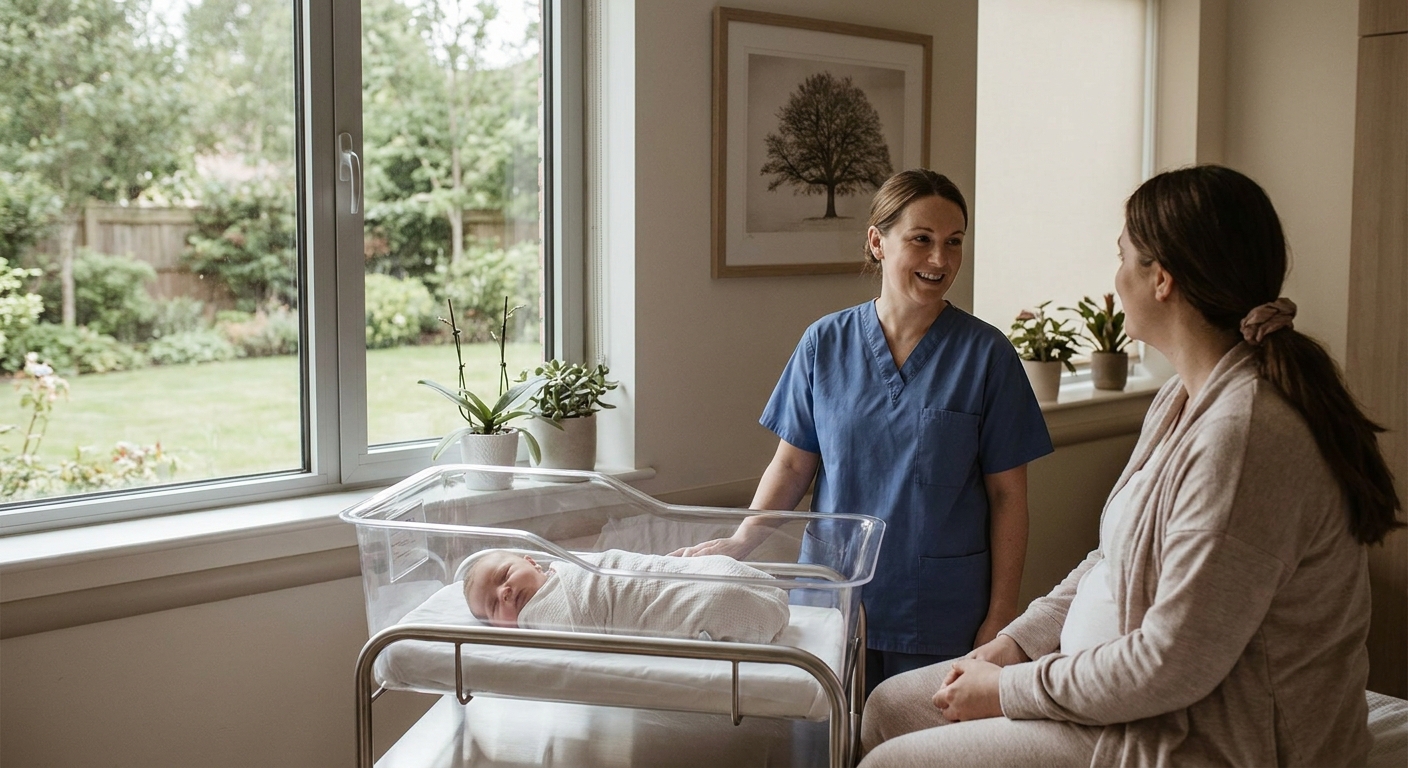
California hospitals do not automatically drug test every baby after delivery. What they do routinely perform is state-mandated newborn screening, which checks for certain serious genetic, endocrine, metabolic, blood, immune, heart, and hearing conditions. Drug toxicology testing is different and is usually guided by hospital policy, medical concerns, and the circumstances of the pregnancy or delivery.
The most important point for parents: in California, a positive toxicology result by itself is generally not supposed to be treated as automatic proof of child abuse or neglect. Hospitals may still involve social work, assess newborn safety, and in some situations contact child welfare. But the legal and clinical focus is broader than the test result alone: whether the infant is safe, whether there are withdrawal or exposure concerns, and whether a caregiver can provide appropriate care.
Explain whether California drug tests babies after delivery
There is no statewide rule requiring every California hospital to drug test every newborn after birth. Testing practices vary by hospital, health system, and clinical situation. Some hospitals test only when there are medical signs of prenatal substance exposure. Others use risk-based criteria, such as limited prenatal care, a maternal history of substance use disorder, unexplained placental complications, or symptoms in the newborn.
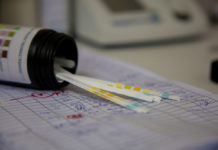
Hospitals may test the mother, the baby, or both. Newborn testing can involve urine, meconium, umbilical cord tissue, or other specimens. Each type has different detection windows. A urine test may reflect more recent exposure, while meconium or cord testing may capture exposure over a longer period of pregnancy.
Because policies differ, two families with similar histories may have different hospital experiences. That inconsistency is one reason advocates and researchers have raised concerns about bias, stigma, and uneven child welfare reporting in perinatal substance exposure cases.
Distinguish newborn screening from toxicology drug testing
California’s newborn screening program is a public health program, not a drug test. The state says newborn screening identifies infants who may have serious but treatable conditions and helps connect them to early care. The California Department of Public Health describes the program as including blood spot screening, hearing screening, and critical congenital heart disease screening through the state’s Newborn Screening Program information page.
Drug toxicology testing has a different purpose. It looks for evidence of exposure to substances such as cannabis, methamphetamine, opioids, fentanyl, cocaine, benzodiazepines, or other drugs. It may be ordered to guide newborn medical care, evaluate withdrawal risk, or inform a safety assessment.
Parents sometimes confuse the heel-stick blood spot with a drug test. In ordinary newborn screening, the heel stick is used to screen for designated medical conditions. It is not the same as a toxicology panel. If a drug test is being considered, parents can ask what specimen is being collected, what substances are being tested for, why the test is medically indicated, and how results will be used.
Cover what may trigger maternal or newborn drug testing in hospitals
Common triggers for toxicology testing may include signs of neonatal withdrawal, unexpected sedation or respiratory problems, poor feeding, seizures, unusual irritability, premature birth with unclear cause, placental abruption, or other medical findings. Testing may also be considered when there is documented prenatal substance use, a positive maternal toxicology result, little or no prenatal care, or concerns raised during labor and delivery.
Hospitals may also involve social workers when a patient discloses substance use during pregnancy. Disclosure can be clinically important, especially with opioids or fentanyl, because a baby may need monitoring for neonatal opioid withdrawal syndrome. But many patients fear punishment or separation, which can make honest conversations harder. A USC report on cannabis use during pregnancy in California described patients’ fear that clinicians or authorities “might take my baby away”, highlighting how stigma can affect prenatal care.
Risk-based testing should be medically justified and applied consistently. If testing is based on subjective impressions alone, it can raise fairness concerns, particularly for families already more likely to face surveillance in medical and child welfare systems.
Explain consent, hospital policy, and patient rights concerns
Consent rules can be complicated. Hospitals generally obtain broad consent for treatment and may order medically necessary tests under their policies. But drug testing has consequences beyond immediate medical care, especially if results may be shared with child welfare or become part of a dependency case. Patients can ask whether a toxicology test is required, whether they can decline, and what the consequences of declining may be.
A mother’s medical record is also distinct from a newborn’s record. A hospital may order testing for the infant if clinicians believe it is needed to evaluate the baby’s condition. However, patients still have the right to ask questions, request the written policy, speak with a patient advocate, and document their understanding of what is happening.
Online legal discussions often reflect anxiety and confusion about this issue. For example, a California-focused legal Q&A addresses what can happen when a baby is born with a positive drug test, but individual outcomes depend heavily on facts such as the substance, medical condition of the infant, home safety, and prior child welfare history. Parents should not rely on internet anecdotes as legal advice.
Detail what happens if a newborn tests positive for THC, meth, opioids, or fentanyl
A positive THC result may prompt counseling, social work review, and an assessment of whether the baby is safe at home. Cannabis exposure alone does not necessarily mean a child will be removed. However, clinicians may ask about frequency of use, impairment while caring for the infant, safe sleep, breastfeeding plans, and whether other substances are involved.
Methamphetamine exposure is typically treated as more concerning because of possible maternal health risks, polysubstance use, unsafe environments, and newborn complications. Family law commentary on California dependency cases involving meth-exposed infants notes that courts often examine the broader pattern of risk, not just the lab result, in so-called meth-exposed baby dependency cases.
Opioids and fentanyl require careful medical monitoring. A newborn exposed to opioids during pregnancy may develop withdrawal symptoms, sometimes called neonatal opioid withdrawal syndrome. If the exposure was from prescribed medication for opioid use disorder, such as methadone or buprenorphine, that is clinically different from untreated or chaotic fentanyl use. Hospitals should distinguish treatment from misuse and evaluate the infant’s symptoms, the parent’s stability, and the discharge plan.
For any substance, the key questions are usually: Is the baby medically stable? Is the parent impaired? Is there safe housing? Are there other caregivers? Is treatment in place? Are follow-up pediatric and maternal health appointments arranged?
Explain when California hospitals must contact child welfare
California hospitals may contact child welfare when they reasonably suspect abuse or neglect, including when substance use creates a safety risk for the newborn. But a positive toxicology test alone is not automatically the same as neglect. The surrounding facts matter.
In practice, hospitals often use social work assessments to decide whether a report is required. A report is more likely if there are signs the infant is unsafe, the parent is unable to provide care, there is untreated severe substance use, there are other children at risk, domestic violence is present, or the family lacks a safe discharge plan.
Community reports and parent forums, such as discussions of recent California experiences with cannabis and hospital drug testing, show wide variation in what families report from hospital to hospital. Those anecdotes are not official policy, but they reflect why parents often want clear written explanations from their care team.
Cover Plans of Safe Care for infants with prenatal substance exposure
A Plan of Safe Care is a written plan intended to support the infant and family after prenatal substance exposure. It may include pediatric follow-up, maternal postpartum care, substance use treatment, mental health support, safe sleep education, lactation guidance, medication-assisted treatment, transportation help, and referrals to home visiting or early intervention services.
The purpose is not supposed to be punishment. A good plan identifies concrete supports and responsibilities so the baby can be safely cared for. In some cases, a Plan of Safe Care may be developed without child removal. In higher-risk cases, child welfare may monitor the plan or seek court involvement.
Parents should ask who will receive the plan, whether it will be shared with child welfare, what services are voluntary, and what steps are required before discharge.
Discuss current substance use trends affecting pregnancy and newborn care
As of 2026, hospitals are paying close attention to prenatal exposure involving cannabis, fentanyl, methamphetamine, and polysubstance use. Cannabis is more widely available and socially normalized in California, but clinicians continue to advise caution during pregnancy because fetal and newborn effects remain an area of active study. The USC report on cannabis in pregnancy underscores that patients may use cannabis for nausea, anxiety, or pain while also fearing judgment from clinicians.
Fentanyl has changed newborn care because opioid exposure can be more medically complex, especially when use is not disclosed before delivery. Methamphetamine remains a major concern in some California dependency cases because it may be associated with unstable caregiving circumstances, though each family must be assessed individually.
Policy debates are also shifting. Public health experts increasingly emphasize treatment, prenatal care access, and nonpunitive support, while child welfare systems remain responsible for responding when an infant is not safe.
Explain practical next steps for parents worried about testing or CPS
If you are pregnant or recently delivered and worried about drug testing, ask direct questions early. You can ask your OB, midwife, or hospital: What is your newborn toxicology policy? What triggers testing? Do you test for THC? When do you call child welfare? Can I speak with social work before delivery?
If you use opioids, fentanyl, methamphetamine, or other substances, medical support before delivery is especially important. Treatment and documentation of prenatal care can matter. For opioid use disorder, being in evidence-based treatment may help clinicians plan newborn monitoring and may show that you are taking steps to protect your baby.
Before discharge, request copies or summaries of any safety plan, Plan of Safe Care, referrals, and follow-up appointments. If child welfare contacts you, remain calm, ask what the allegation is, and consider speaking with a qualified California dependency attorney if a formal case is opened.
Frequently Asked Questions
Are all babies drug tested at birth in California?
No. California does not require universal drug testing of all newborns. Hospitals may test based on medical concerns, risk factors, or their internal policies.
Can a hospital drug test a newborn without the mother’s consent?
Hospitals may order tests they consider medically necessary for the baby, depending on policy and circumstances. Parents can ask why testing is needed, what consent applies, and how results may be used.
What happens if a baby tests positive for THC in California?
A THC-positive result may lead to counseling, social work review, or a safety assessment. It does not automatically mean the baby will be removed, but other safety concerns can change the outcome.
Does a positive newborn drug test automatically mean CPS will take the baby?
No. A positive test alone is generally not enough. Child welfare decisions depend on the baby’s safety, the parent’s ability to care for the infant, and the broader facts.
What is a Plan of Safe Care in California?
It is a plan to support an infant with prenatal substance exposure and the family after birth. It may include medical follow-up, treatment referrals, safe caregiving steps, and community supports.
Is newborn screening the same as a drug test?
No. Newborn screening checks for certain serious health conditions. Toxicology testing is a separate test used to look for drug exposure.