

Finding addiction counseling in Chatom, AL can be more complicated than searching a large-city treatment directory. Washington County is rural, providers may cover wide service areas, and people often need to compare counseling, medication treatment, detox referrals, and transportation before they can start care. As of 2026, the safest approach is to verify each provider directly rather than relying only on online listings.
This guide explains what local and nearby options may look like for someone searching for substance abuse counseling Chatom AL, drug rehab Chatom AL, alcohol rehab Chatom Alabama, outpatient addiction treatment Chatom, detox centers near Chatom Alabama, or AltaPointe Health Systems Chatom.
Addiction counseling options available in Chatom and nearby Washington County
Chatom is a small community, so addiction counseling access usually means looking at a mix of local outpatient behavioral health services, nearby county providers, telehealth counseling, primary care referrals, and regional rehab programs. Some online treatment directories list options in or near Chatom, including Recovery.com listings for Chatom, Alabama, RehabNet’s Chatom treatment directory, and Better Addiction Care’s Chatom resource page. These can be useful starting points, but they should not be treated as proof that a program is open, licensed, in-network, or able to provide the level of care needed.
For many residents, the first realistic step is outpatient counseling. That may include individual therapy, group counseling, family sessions, relapse-prevention planning, screening for depression or anxiety, and referrals for medication when opioid or alcohol use disorder is present. Some people also use online counseling platforms, and BetterHelp lists therapists serving Chatom, though online therapy is not the same as a full substance use treatment program and may not be appropriate for people at risk of withdrawal, overdose, or self-harm.
If a person needs drug rehab Chatom AL options, it is important to clarify whether they mean weekly counseling, intensive outpatient treatment, residential rehab, or medically supervised detox. Those are different services with different safety requirements.
What AltaPointe and outpatient behavioral health providers may offer
AltaPointe Health Systems is frequently associated with behavioral health access in southwest Alabama, and some directories identify AltaPointe Health Systems Chatom as a local or regional treatment resource. One listing for AltaPointe Health Systems Inc. on DetoxRehabs.net describes behavioral health and substance use-related services, though patients should call the provider directly to confirm the current Chatom location, hours, eligibility, and whether the service is outpatient only.

Outpatient behavioral health providers may offer assessments, counseling for substance use, mental health treatment, case management, and referrals to higher levels of care. Some may coordinate with courts, schools, employers, or family members when the patient gives permission. Others may provide or refer for medication-assisted treatment, also called medications for opioid use disorder, depending on staffing and state regulations.
When calling any provider, ask direct questions: Do you treat opioid, methamphetamine, alcohol, cannabis, benzodiazepine, or polysubstance use? Do you offer medication treatment or only counseling? Are appointments available in person, by telehealth, or both? Can you help with referrals to detox centers near Chatom Alabama if withdrawal is likely?
When counseling is enough versus when detox or inpatient rehab is needed
Counseling may be enough when substance use is mild to moderate, withdrawal risk is low, the person has stable housing, and there is no immediate overdose or suicide risk. Outpatient addiction treatment Chatom residents can access may work well for someone who can attend regular sessions, avoid high-risk situations, and use family or peer support between appointments.
Detox or inpatient rehab may be needed when stopping could be medically dangerous or when home is not safe. Alcohol and benzodiazepine withdrawal can cause seizures or delirium and should be evaluated medically. Opioid withdrawal is often not life-threatening by itself, but relapse after a period of abstinence can raise overdose risk because tolerance drops. People using fentanyl or unknown pills may need urgent help with overdose prevention and medication treatment.
Residential rehab may be appropriate when a person has repeated relapses, severe cravings, homelessness, violence at home, co-occurring psychiatric symptoms, or no reliable transportation to outpatient care. A local counselor or primary care clinician can help determine whether alcohol rehab Chatom Alabama searches should lead to outpatient counseling, hospital-based detox, or residential treatment outside the county.
Current Alabama substance use trends affecting rural communities
Rural Alabama communities face the same broad drug supply changes seen nationally, but with fewer nearby treatment options. In recent years, fentanyl has become a major driver of overdose deaths across the United States, while methamphetamine remains a serious concern in many Southern and rural areas. Alcohol use continues to cause long-term health harms, including liver disease, injuries, family disruption, and legal problems.
For Chatom and Washington County residents, the practical issue is access. A person may be willing to seek help but still face limited public transportation, stigma in a small town, insurance barriers, and long drives to specialized care. That makes early assessment important. A counselor can help identify whether care can safely begin locally or whether a higher level of treatment is needed immediately.
Because local data can lag and online directories may be outdated, patients should treat current trends as a reason to ask more questions during intake, not as a reason to panic. The most useful question is not “Which drug is worst?” but “What am I using, how often, in what amount, and what medical risks could happen if I stop or continue?”
Opioids, fentanyl, meth, and alcohol risks to ask about during intake
A good addiction assessment should ask specifically about opioids, fentanyl exposure, methamphetamine or other stimulants, alcohol, sedatives, and combinations of substances. Patients should be honest about counterfeit pills, heroin, prescription pain medications, injected drugs, smoking, snorting, and mixing substances. Confidentiality rules generally protect treatment information, though there are exceptions for immediate safety risks.
Questions to raise include: Should I have naloxone at home? Do I need screening for hepatitis C or HIV? Could I benefit from buprenorphine, methadone, or naltrexone for opioid use disorder? If I drink daily, is it safe to stop suddenly? If I use meth, how will treatment address sleep loss, paranoia, depression, or cravings?
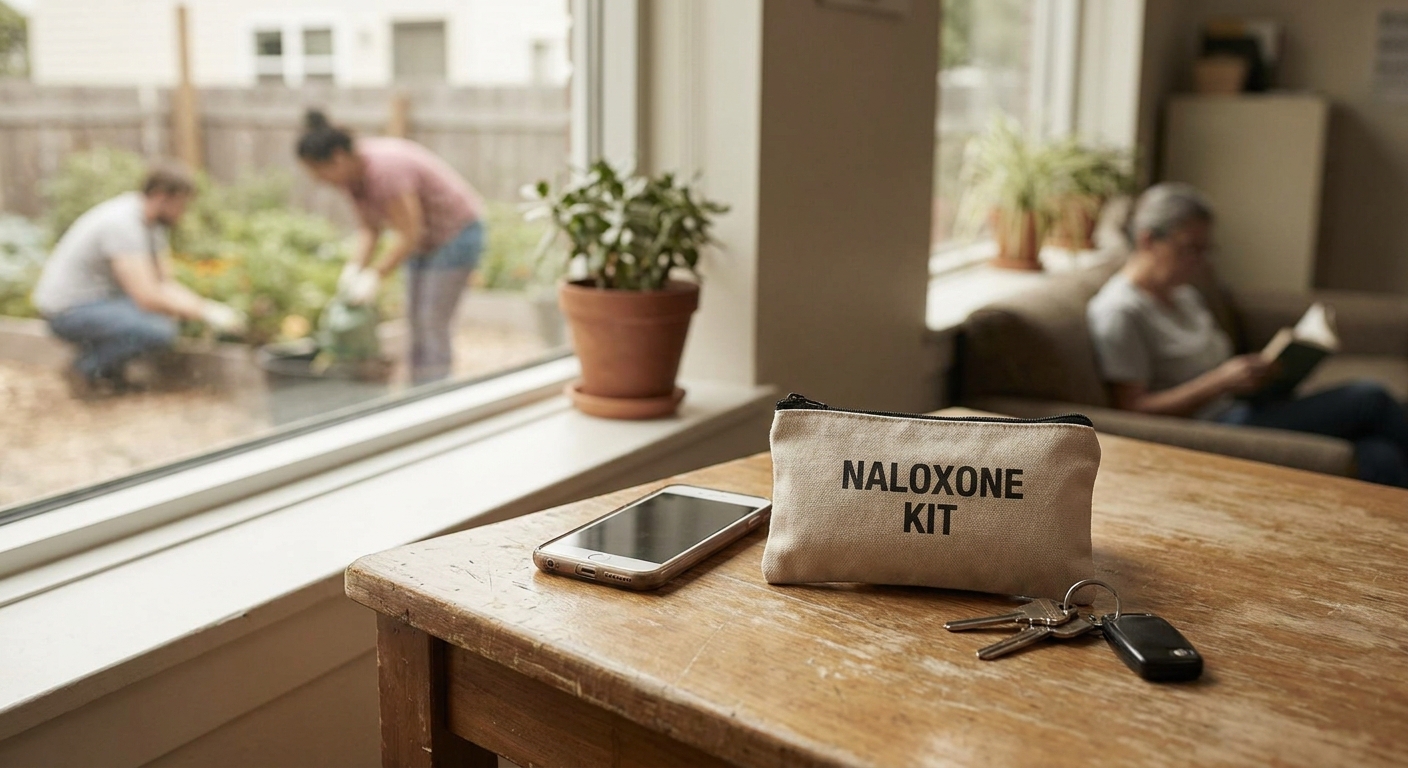
For alcohol, ask whether withdrawal symptoms such as shaking, sweating, vomiting, confusion, or seizures require medical detox. For methamphetamine, ask about mental health symptoms and sleep stabilization. For fentanyl or other opioids, ask about overdose prevention, naloxone, and evidence-based medication options rather than counseling alone.
How to verify licensing, insurance, Medicaid, and sliding-scale payment options
Before scheduling, verify the basics. Ask for the program’s legal name, physical address, license type, and the credentials of the counselor or clinician. If a website promises immediate placement but will not identify the actual facility, be cautious. Directories can help generate leads, but the patient should confirm details with the provider and, when possible, with the insurer.
Payment questions should be specific. Ask whether the provider accepts Alabama Medicaid, Medicare, private insurance, self-pay, or a sliding-scale fee. Ask whether an intake visit, lab tests, medication appointments, group therapy, and telehealth are billed separately. If transportation is a barrier, ask whether telehealth is allowed after the first visit or whether there are closer satellite clinics.
For people using insurance, call the number on the insurance card and ask for in-network substance use disorder providers near Chatom, Washington County, Mobile, or Clarke County. For uninsured residents, ask local behavioral health providers about grant-funded care, county mental health services, payment plans, or referrals to nonprofit programs.
What to expect in a first addiction counseling appointment
The first appointment is usually an assessment, not a test to pass or fail. The counselor may ask about substance use history, mental health symptoms, medical conditions, medications, trauma, family support, legal issues, employment, housing, and safety. They may ask when the person last used alcohol or drugs and whether withdrawal symptoms are present.
The patient should expect a preliminary treatment plan. That plan might include weekly counseling, group therapy, peer support meetings, medication evaluation, family involvement, urine drug screening, or referral to detox or inpatient treatment. If the provider cannot meet the person’s needs, they should explain why and help identify a safer referral.
It helps to bring an insurance card, medication list, hospital discharge papers if any, and names of prior treatment programs. A trusted family member can attend if the patient wants support, but the patient should still have private time with the clinician to discuss sensitive safety issues.
Emergency and crisis resources if withdrawal, overdose risk, or suicidal thoughts are present
Some situations are too urgent for a routine counseling appointment. Call 911 or go to the nearest emergency department if someone is unconscious, breathing slowly, turning blue or gray, having seizures, severely confused, threatening suicide, or experiencing dangerous withdrawal symptoms. Naloxone should be used immediately for suspected opioid overdose, followed by emergency medical care.
If suicidal thoughts are present, urgent crisis support is needed. If a person cannot stay safe, they should not be left alone while waiting for an appointment. Family members should remove firearms, large quantities of medication, and other lethal means when possible.
For non-immediate but serious concerns, call a local behavioral health provider and say clearly: “I need a substance use assessment, and I am worried about withdrawal, overdose, or suicide risk.” Those words help staff triage the call. In rural areas, being direct can shorten delays and help determine whether local counseling is safe or whether emergency or inpatient care is needed first.
Frequently Asked Questions
How to quit drugs without going to rehab?
Some people quit without residential rehab by using outpatient counseling, medication treatment when appropriate, peer support, primary care, family support, and a written relapse-prevention plan. It is still important to get a professional assessment first, because withdrawal, fentanyl exposure, severe depression, or repeated relapse may make quitting alone unsafe.
Can addiction be cured?
Addiction is usually described as a treatable chronic condition rather than a simple cure-or-no-cure illness. Many people achieve long-term recovery, stop using substances, rebuild health, and live stable lives. Ongoing counseling, medication, peer support, and relapse-prevention planning can reduce risk over time.