
Today, many people use marijuana recreationally. However, not everyone responds to it in the exact same way. Some people may get a hallucinogenic effect out of it, others a stimulating feeling, and others a depressant. Regardless, some people may start wondering what weed actually is, especially those who are feeling the effects of its depressant side.
However, this spawns the question: is weed a depressant? Well, let’s talk about that! But first, let’s talk about marijuana itself:
Is Weed a Depressant?
Weed is often thought of as a harmless drug that can make people feel happy and relaxed. However, recent research has shown that weed can actually be a depressant.

So why is weed considered to be a depressant? It’s thought that the active ingredient in weed, THC, can interact with the brain’s serotonin system. Serotonin is a chemical that helps regulate mood and anxiety. When THC interacts with serotonin, it can cause changes in mood and anxiety levels.
Another theory is that weed can increase levels of stress hormones like cortisol. This can lead to feelings of anxiety and depression.
Now, while weed itself is not entirely a depressant in and of itself, it can certainly cause the effects of depressant drugs.
What Is a Depressant?
A depressant is a type of psychoactive drug that has the effect of slowing down the body’s functions. This can include the brain, nervous system, and heart. Depressants are often used to treat anxiety, insomnia, and seizures. They can also be used as recreational drugs.
What Are the Side Effects of a Depressant Drug?
Depressant drugs are substances that slow down the nervous system. They can cause drowsiness, slowed breathing, and impaired coordination. Some common examples of depressant drugs include alcohol, benzodiazepines, and barbiturates. While these drugs can have therapeutic effects in some people, they also come with a risk of side effects.
The most common side effect of depressant drugs is drowsiness. This can make it difficult to concentrate or perform tasks that require coordination, such as driving. Depressant drugs can also cause impaired judgment and slowed reflexes, which can lead to accidents and injuries.
Other side effects of depressant drugs include slurred speech, confusion, and dizziness. In some people, depressant drugs can cause depression, anxiety, and paranoia. In high doses, depressant drugs can cause unconsciousness and even death.
If you are taking a depressant drug, it is important to be aware of the potential side effects. If you experience any of these side effects, you should talk to your doctor.
What Is Marijuana?
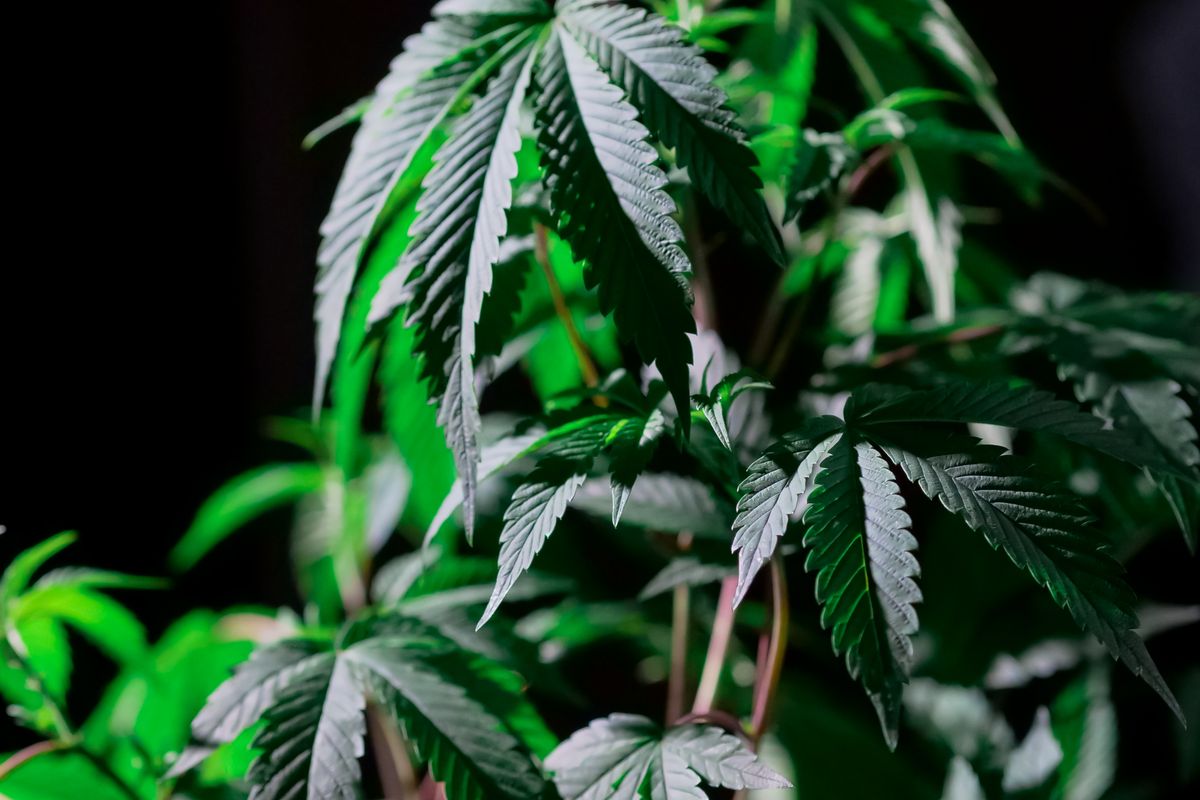
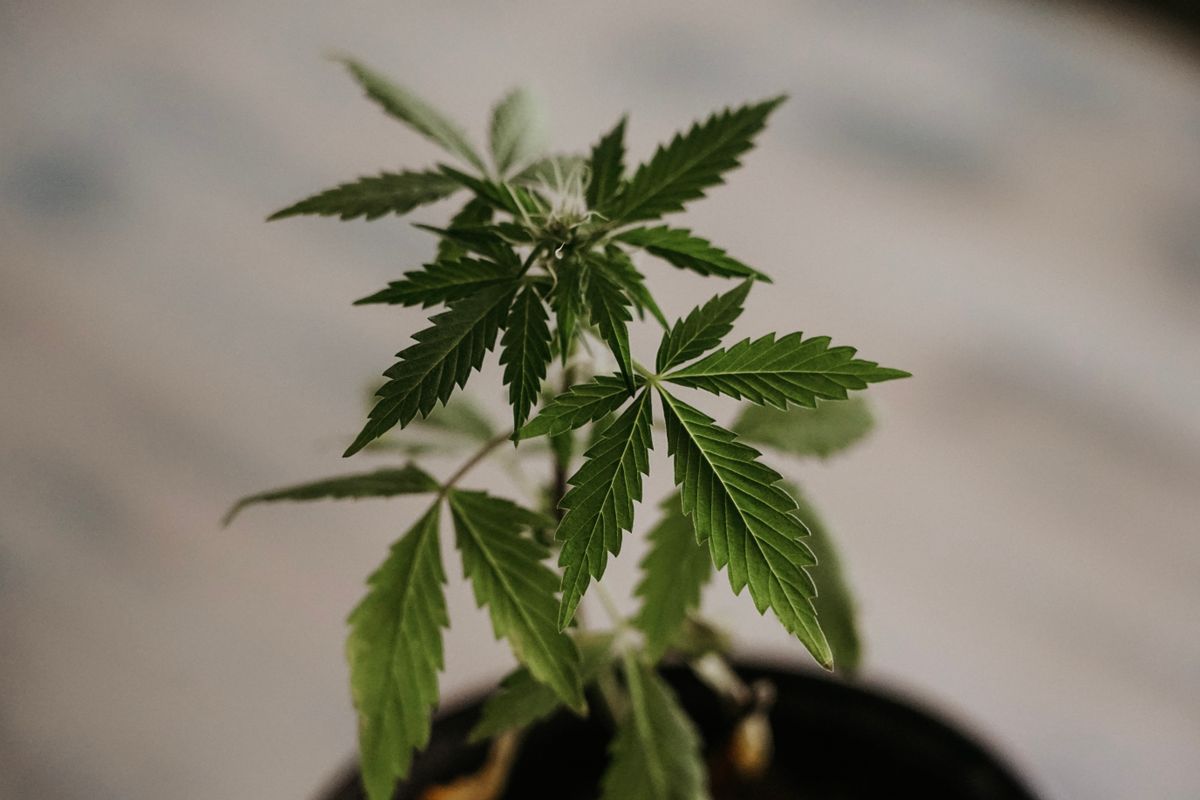
Marijuana is a plant that contains a chemical called tetrahydrocannabinol (THC). THC is the main psychoactive ingredient in marijuana. Generally, marijuana is used for recreational and medical purposes.
What Are the Main Uses and Effects of Marijuana?
Marijuana has many effects on the body, including:
– Reducing inflammation
– Reducing nausea
– Increasing appetite
– relieving pain
– reducing anxiety
Marijuana is also used to treat a number of medical conditions, such as:
– cancer
– HIV/AIDS
– glaucoma
– multiple sclerosis
There is some evidence that marijuana may also be effective in treating other conditions, such as:
– depression
– anxiety
– sleep disorders
– PTSD
How Is Marijuana Taken?
Marijuana can be taken in a variety of ways, depending on the person’s preference. The most common methods are smoking, eating, or drinking.
- Smoking
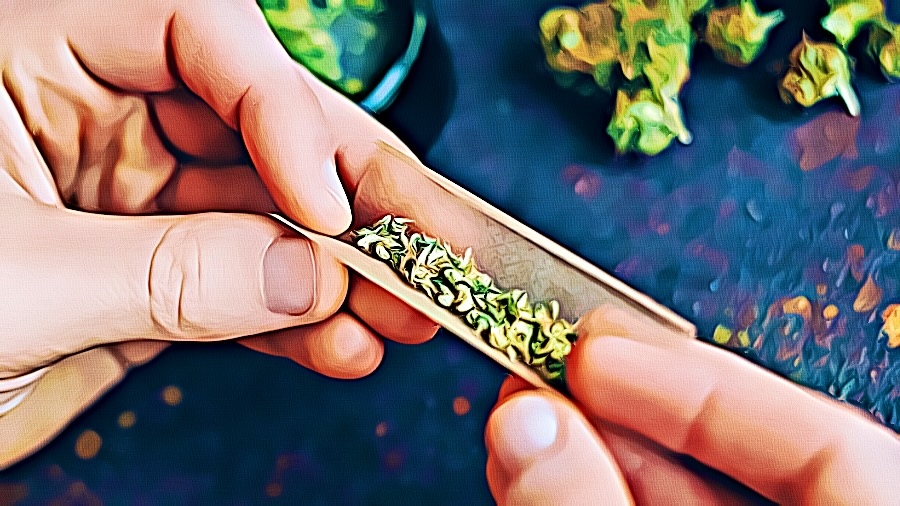
Smoking is the most common way to consume marijuana. People can roll it into a joint, pack it into a pipe, or use a bong. The THC in marijuana is quickly absorbed into the bloodstream when it’s smoked. The effects of smoking marijuana can be felt within minutes and typically peak within 30 minutes.
- Eating
Marijuana can also be eaten. THC is absorbed more slowly into the bloodstream when it’s eaten, so the effects of marijuana can take longer to be felt. People can make marijuana-infused foods, such as brownies or cookies, or they can add marijuana to their favorite recipes.
- Drinking
Another way to consume marijuana is by drinking it. People can make marijuana-infused drinks, such as teas or coffee. The effects of marijuana can take longer to be felt when it’s consumed this way.

What Is a Stimulant?
A stimulant is a drug that increases activity in the body. Stimulants can be used to treat conditions such as ADHD, narcolepsy, and depression. They can also be used recreationally to increase energy and focus. Stimulants can be addictive, and long-term use can lead to tolerance, dependence, and other health problems.
What Are the Side Effects of a Stimulant Drug?
Most people are familiar with the term “stimulant drug” and know that it generally refers to a class of drugs that increase activity levels and cause a sense of alertness and energy. However, few people know much about the potential side effects of stimulant drugs.
While stimulant drugs can be helpful in treating conditions like ADHD and narcolepsy, they can also cause a number of undesirable side effects. The most common side effects of stimulant drugs include anxiety, agitation, insomnia, headache, increased blood pressure, heart palpitations, and dizziness.
If you are considering taking a stimulant drug, it is important to speak with your doctor about the potential risks and side effects. Stimulant drugs are not right for everyone and can cause serious side effects in some people.
Is Weed A Stimulant?
Weed, also known as marijuana, is a dry, shredded green and brown mix of leaves, stems, and seeds from the Cannabis sativa plant. It can be rolled up and smoked like a cigarette or cigar or smoked in a pipe. It is also brewed as tea or added to food.
The main active ingredient in weed is delta-9-tetrahydrocannabinol (THC). THC affects the parts of the brain that control memory, pleasure, time perception, and movement. It also alters sense and perception.
Weed is usually smoked for its psychoactive effects, which can include increased awareness of surroundings, altered perception of time, and changes in mood. Some people report feeling more relaxed and less anxious after smoking weed.
Weed is also used for medicinal purposes. It can be used to relieve pain, nausea, and vomiting. It is also used to improve appetite and help with weight gain.
So, is weed a stimulant? The answer is complicated. Weed can have both stimulant and sedative effects, depending on the person and the amount smoked.
So, Is Weed a Stimulant or a Depressant?
Weed is often thought of as a ‘gateway drug’ that can lead to harder drugs, but is it really all that bad? Let’s take a look at the science behind weed to see if it’s really a stimulant or a depressant.
The active ingredient in weed is THC, which is a psychoactive compound. THC binds to receptors in the brain and produces a variety of effects, including the ‘high’ that users experience. THC also has some stimulant effects, but it’s more likely to cause drowsiness and relaxation.
So, is weed a stimulant or a depressant? It depends on how you look at it. If you’re looking at the effects of THC, then it’s more likely to be a depressant. However, if you’re looking at the overall effects of weed as a whole, then it’s probably somewhere in the middle.
But really, weed isn’t entirely one or the other, as the effects can vary from one person to the other. As such, it can be classified as both and even a hallucinogen.
Conclusion
Regardless of how you experience your use of weed, one thing must be made clear: you must be incredibly careful. Many people rely on weed for medical use, and that’s alright. However, abuse that, and you’ll quickly find yourself addicted to weed. While it may not be the most addictive drug out there, you must still be careful as there is much short-term and long-term harm in using it.
That being said, if you are addicted to the drug, then we highly recommend reaching out to an addiction center to find the help you need to finally live a normal life once more!
Source: https://medlineplus.gov/ency/patientinstructions/000798.htm