

What krokodil is and why people search for “crocodil”
Krokodil, often misspelled as “crocodil,” is the street name for desomorphine, a powerful opioid first synthesized in the early 20th century. The term became widely known after reports from Russia and Eastern Europe described people injecting homemade desomorphine mixtures that caused devastating skin, blood vessel, muscle, and bone injuries. The nickname comes from the greenish, scaly appearance that damaged skin can take on after repeated injection.
Search interest in the krokodil drug tends to rise in waves, usually after a local warning, emergency department rumor, or viral post about a “flesh eating drug” or “zombie drug.” The medical reality is serious, but more specific than the headlines suggest: desomorphine is an opioid, and the most horrific injuries linked to krokodil are generally associated with crude home production and injection of toxic contaminants, not with a unique supernatural ability of the drug to “eat” flesh.
The California Poison Control System describes krokodil as a street drug made from codeine and chemicals such as iodine, hydrochloric acid, red phosphorus, gasoline, paint thinner, or lighter fluid, depending on the recipe and source materials. Those contaminants can remain in the injected solution and cause local tissue destruction, infection, and systemic poisoning. The poison center also notes that the drug’s name comes from the reptile-like skin changes seen around injection sites California Poison Control System overview of krokodil.
The key point for readers in 2026 is this: krokodil is real, desomorphine is real, and the injuries described in the medical literature are real. But many online claims about widespread krokodil in the U.S. are harder to verify. In today’s U.S. overdose crisis, fentanyl and other synthetic opioids remain far more central to confirmed deaths and drug supply risk than desomorphine.

How desomorphine differs from heroin, fentanyl, and other opioids
Desomorphine is an opioid, meaning it acts on opioid receptors in the brain and body. Like heroin, morphine, oxycodone, and fentanyl, it can reduce pain, produce euphoria, slow breathing, cause dependence, and trigger fatal overdose. The differences are in potency, onset, duration, source, and the way the street product is made.
The U.S. Drug Enforcement Administration identifies desomorphine as a Schedule I controlled substance in the United States, meaning it has no accepted medical use under federal law and a high potential for abuse. The DEA’s drug information sheet describes desomorphine as a morphine derivative with opioid effects and notes that illicit “krokodil” gained attention because it could be produced from codeine-containing products and household chemicals DEA drug information on desomorphine.
Heroin is typically produced from morphine derived from opium poppies. Fentanyl is a fully synthetic opioid manufactured through chemical synthesis and is far more potent by weight than morphine or heroin. Desomorphine is also semi-synthetic, historically derived from morphine, but illicit krokodil has often been produced from codeine tablets using improvised chemistry. That homemade process is what makes the street product especially dangerous.
Compared with heroin, desomorphine has been described as fast-acting and short-lasting. That short duration may drive frequent injection, which increases vein injury, bacterial contamination, abscesses, and bloodborne infection risk. Drugs.com, summarizing available clinical and toxicology information, notes that desomorphine is estimated to be several times stronger than morphine and that the illicit product may cause severe tissue injury because of toxic byproducts and contaminants Drugs.com clinical summary on krokodil.
Fentanyl has changed the U.S. context. Many people exposed to opioids today do not know exactly what they are taking. Pills sold as oxycodone, heroin bags, powders, and stimulants may contain fentanyl or other synthetic opioids. A report of “krokodil effects” in someone using street opioids may involve desomorphine, but it may also involve fentanyl, xylazine exposure, bacterial infection, vascular injury, or another contaminant. Lab confirmation matters.
Why krokodil causes severe skin and tissue damage
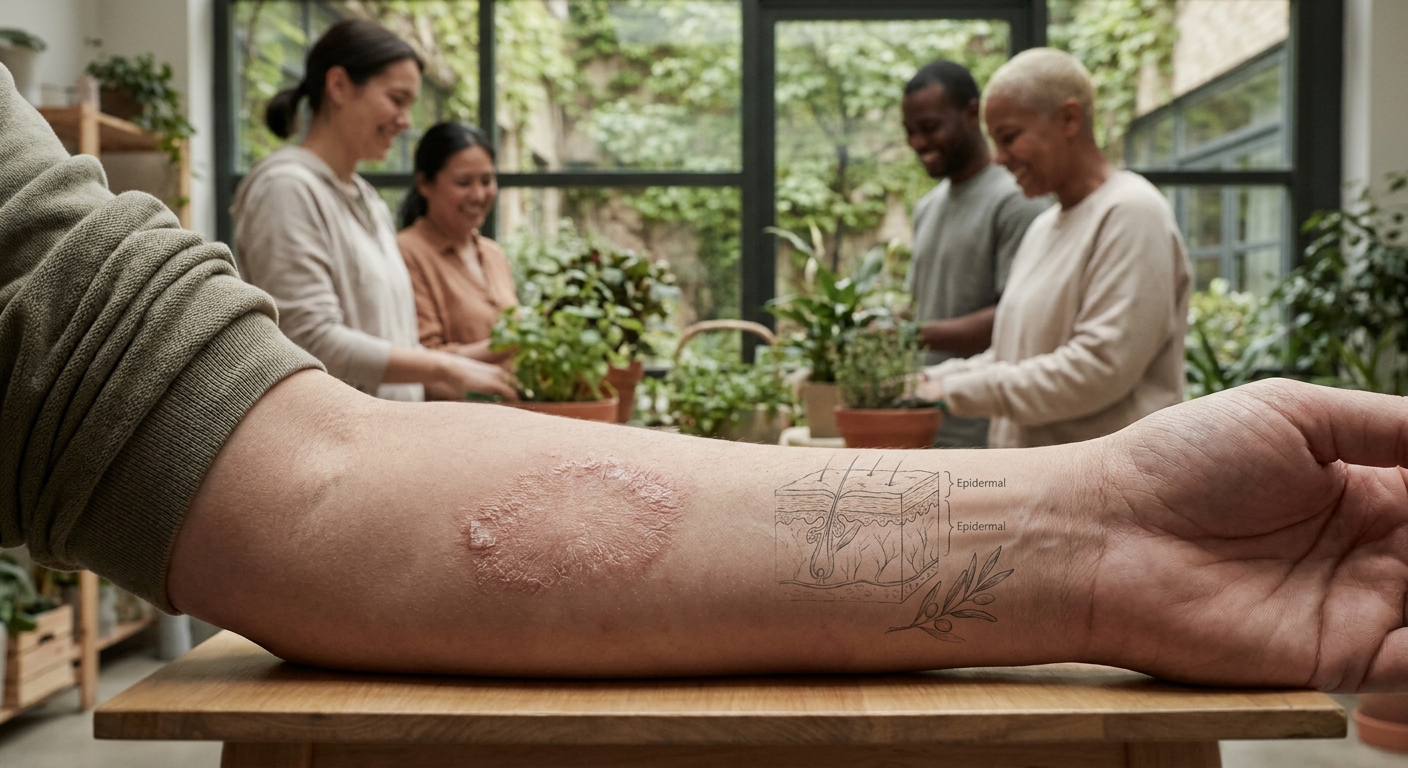
The phrase “flesh eating drug” is memorable, but it can mislead. Krokodil does not literally behave like an organism eating skin. Severe wounds can occur through several overlapping mechanisms: chemical burns, blood vessel damage, poor injection technique, repeated injections, bacterial infection, tissue death from reduced blood flow, and immune stress from malnutrition or unstable living conditions.
Homemade krokodil mixtures have been reported to contain corrosive and toxic chemicals. If substances such as acids, solvents, iodine compounds, or phosphorus residues are injected into or around veins, they can directly damage tissues. Repeated injections can also destroy veins, forcing people to inject into higher-risk areas or miss the vein, placing caustic material under the skin. Over time, skin may darken, scale, ulcerate, and die.
Published medical reviews have described complications including thrombophlebitis, abscesses, necrosis, gangrene, osteomyelitis, pneumonia, meningitis, sepsis, and multiorgan injury among people using krokodil. A peer-reviewed review in the medical literature emphasized that the harms attributed to krokodil are linked not only to desomorphine itself but also to contaminants and byproducts from home synthesis peer-reviewed review of krokodil complications.
This distinction matters because a person with severe injection wounds needs medical care regardless of which drug caused the injury. Clinicians may need to treat opioid overdose risk, wound infection, dead tissue, tetanus risk, bloodborne infections, and opioid withdrawal at the same time. A frightening wound should not be dismissed as merely a sign of drug use; it can be a limb- or life-threatening emergency.
In online photos, krokodil wounds are often presented as proof that the crocodile drug is spreading. But similar-looking wounds can occur with other injected substances, especially when the drug supply is contaminated or when people lack sterile equipment, wound care, housing, or early medical treatment. Visual appearance alone is not enough to identify desomorphine.
Whether krokodil is currently spreading in the United States
As of 2026, there is no strong public evidence that krokodil is widely spreading across the United States in the way fentanyl has. That does not mean isolated cases are impossible. It means that broad claims about a national wave should be treated cautiously unless they are supported by toxicology, law enforcement lab testing, public health surveillance, or peer-reviewed case reports.
Krokodil scares have appeared periodically in U.S. media since the early 2010s. Some reports described suspected cases, but many did not include confirmed desomorphine testing. That is a major limitation. A person with necrotic injection wounds may have used heroin, fentanyl, methamphetamine, xylazine-contaminated opioids, or multiple substances. Without laboratory confirmation, “krokodil in the U.S.” can become a label applied to wounds rather than a verified drug exposure.
The DEA’s desomorphine fact sheet documents the drug’s legal status and chemistry but does not establish widespread U.S. distribution. The California Poison Control System likewise presents krokodil as a dangerous drug but not as a dominant U.S. drug supply threat. The best-supported conclusion is measured: desomorphine can appear, it is dangerous, and suspected cases deserve investigation, but current U.S. opioid risk is driven overwhelmingly by synthetic opioids and an unpredictable illicit supply.
That nuance is important for public health communication. Overstating krokodil can distract from confirmed risks, including fentanyl overdose, polysubstance use, xylazine-associated wounds, and lack of access to medication treatment. Understating it can leave clinicians and outreach workers unprepared for unusual toxic exposures. The practical approach is to respond to wounds and overdoses urgently while seeking confirmation before declaring a local outbreak.
Recent local warnings and why confirmation matters
Local warnings about krokodil often begin with a cluster of severe wounds, a patient report, a social media post, or a statement from first responders. These warnings can be well-intentioned. They may prompt people to seek care, carry naloxone, avoid using alone, or submit substances for testing where available. But warnings can also travel faster than evidence.
Confirmation matters because different drugs require different public health responses. If desomorphine is confirmed, investigators may look for codeine sources, homemade labs, specific chemical contaminants, and patterns of injection injury. If fentanyl is involved, the immediate focus may be overdose prevention, naloxone saturation, and medication treatment. If xylazine or another adulterant is present, wound care guidance and sedation risk become more prominent. If bacterial contamination is driving injuries, sterile supplies and early antibiotic evaluation may be central.
A confirmed case generally requires toxicology testing of a biological sample, drug sample analysis, or both. Even then, timing matters. Some substances clear the body quickly. People may also use multiple drugs, making it difficult to identify which exposure caused which injury. Clinicians and public health agencies are therefore careful about language: “suspected,” “probable,” and “confirmed” are not interchangeable.
For readers, the bottom line is not to ignore local alerts, but to read them carefully. Ask whether desomorphine was detected. Ask whether the alert is based on a patient’s report, wound appearance, or lab testing. Ask what action is recommended. The safest advice often remains the same across opioid threats: do not use alone, carry naloxone, use sterile supplies, seek wound care early, and consider evidence-based treatment for opioid use disorder.
Signs of krokodil use and medical emergencies to watch for
Possible krokodil symptoms include both opioid effects and injection-related injuries. Opioid effects may include euphoria, drowsiness, pinpoint pupils, slowed breathing, nausea, constipation, confusion, and loss of consciousness. Withdrawal can include anxiety, sweating, diarrhea, vomiting, muscle aches, insomnia, and intense cravings.
Injection-site warning signs may include redness, swelling, warmth, increasing pain, drainage, foul odor, black or gray tissue, blistering, skin sloughing, fever, red streaks, numbness, or loss of function. These can indicate cellulitis, abscess, necrosis, sepsis, or impaired blood flow. A wound does not need to look dramatic to be dangerous.
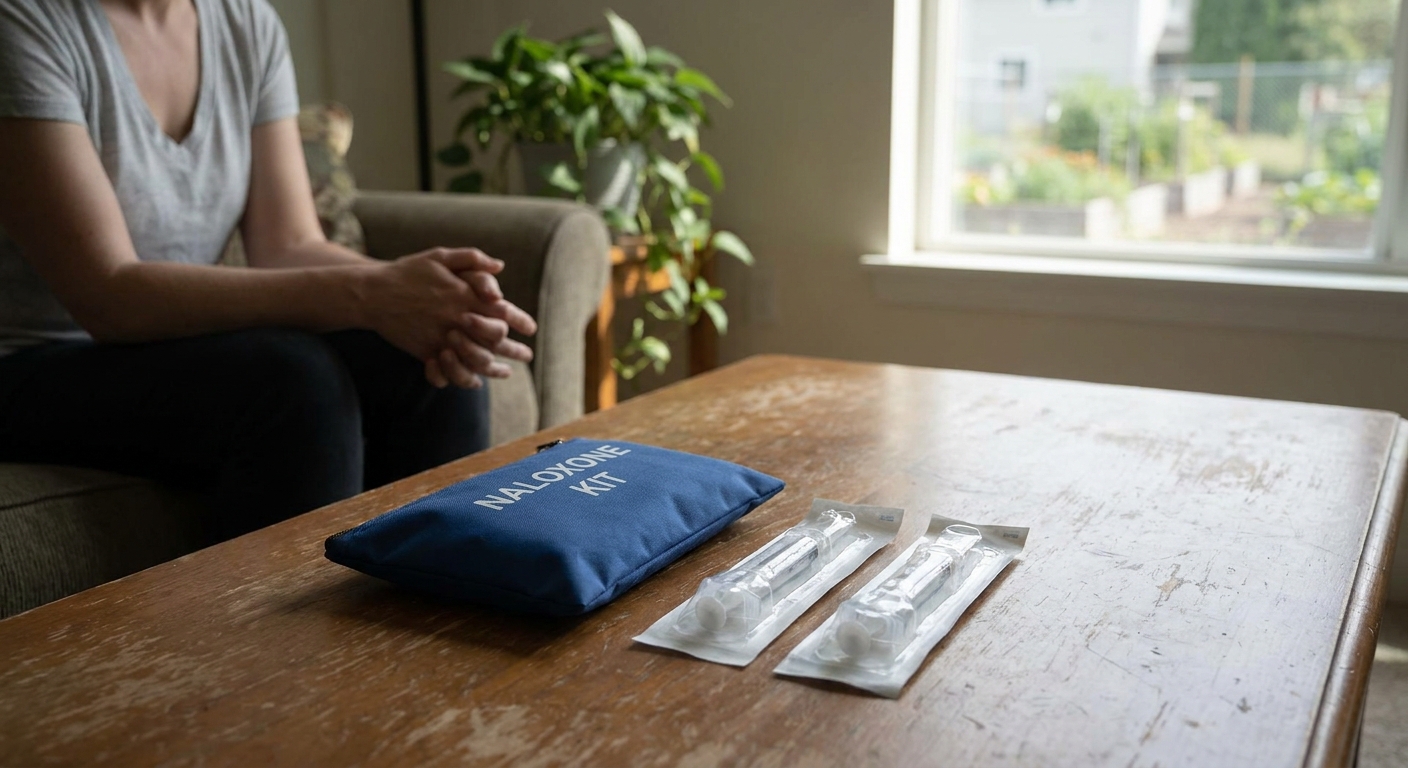
Call emergency services immediately if someone has slow or stopped breathing, blue or gray lips, cannot be awakened, has gurgling or choking sounds, has a seizure, develops chest pain, shows signs of stroke, has a rapidly spreading infection, or appears septic with fever, confusion, fast heart rate, or low blood pressure. Naloxone should be given for suspected opioid overdose, including suspected desomorphine overdose, because desomorphine is an opioid.
People sometimes delay care because they fear stigma, legal consequences, withdrawal, or losing control over treatment decisions. Delays can cost limbs and lives. Emergency departments can treat overdose, start antibiotics, drain abscesses, evaluate circulation, manage pain, provide tetanus protection, and connect patients to medications for opioid use disorder. If a person is using opioids daily, clinicians should also plan for withdrawal management so the patient is not forced to leave care prematurely.
Treatment options for opioid use disorder and injection-related wounds
Treatment for krokodil-related harm has two tracks: treating opioid use disorder and treating the medical complications of injection. Both are necessary. Wound care without addiction treatment may leave someone returning to the same exposure. Addiction treatment without wound care may miss serious infection or tissue death.
For opioid use disorder, evidence-based medications include buprenorphine, methadone, and extended-release naltrexone. Buprenorphine and methadone reduce withdrawal and cravings and are associated with lower overdose risk when patients remain in treatment. Naltrexone blocks opioid receptors but requires full detoxification before initiation, which can be difficult for people with active opioid dependence. Counseling, peer support, housing assistance, and psychiatric care can help, but medication is the cornerstone for many patients with moderate to severe opioid use disorder.
Wound treatment depends on severity. Mild infections may need cleaning, dressings, and antibiotics. Abscesses may need incision and drainage. Necrotic tissue may require surgical debridement. Severe vascular injury, gangrene, or bone infection may require hospitalization, imaging, intravenous antibiotics, reconstructive surgery, or amputation in the most extreme cases. Clinicians may also test for HIV, hepatitis B, hepatitis C, endocarditis, and bloodstream infection.
Pain control is an important part of ethical care. People with opioid tolerance may need carefully managed pain treatment, and untreated pain can drive avoidance of medical care. A sober, nonjudgmental approach improves outcomes: the goal is not to punish drug use, but to prevent death, preserve function, and offer a path into treatment when the patient is ready.
Harm reduction steps for people exposed to unknown opioids
The safest option is not to use illicit opioids. But for people who are currently using, harm reduction can reduce the chance of fatal overdose and serious infection. These steps are especially important when the supply is unpredictable and when a product is rumored to contain krokodil, fentanyl, xylazine, or other adulterants.
- Carry naloxone and make sure people nearby know how to use it.
- Avoid using alone. If using alone cannot be avoided, consider a trusted check-in system.
- Use sterile syringes, sterile water, clean cookers, and new filters every time.
- Do not inject into wounds, swollen areas, arteries, or high-risk sites such as the neck or groin.
- Start with a very small amount when the supply is new or uncertain.
- Use drug checking services where legally and locally available.
- Seek medical care early for redness, swelling, fever, drainage, numbness, or worsening pain.
- Ask about buprenorphine or methadone if withdrawal or cravings are making it hard to stop.
Fentanyl test strips can help identify fentanyl in some drug samples, but they do not rule out desomorphine, xylazine, or all other contaminants. A negative result is not a guarantee of safety. Drug checking programs with more advanced equipment can provide more information, but availability varies by location.
People who inject drugs should also consider vaccination for hepatitis A and B, regular HIV and hepatitis C testing, and access to syringe service programs where available. These services are not endorsements of drug use; they are public health tools designed to prevent infections, connect people to care, and reduce deaths.
Key takeaways about krokodil myths vs. documented risks
Krokodil is not just an internet myth. Desomorphine exists, and homemade krokodil mixtures have been associated with catastrophic injuries. The documented risks include opioid overdose, rapid dependence, severe skin and soft-tissue damage, infection, sepsis, limb loss, and death.
At the same time, the most viral claims often outrun the evidence. A gruesome wound is not proof of desomorphine. A local rumor is not proof of a spreading outbreak. The phrase “zombie drug” may attract attention, but it can also dehumanize people who need urgent medical care. Public health language should be precise: suspected cases should be investigated, confirmed cases should be reported responsibly, and people with wounds or overdose risk should receive care without stigma.
For families, clinicians, and community members, the practical message is clear. Treat any unknown opioid as potentially deadly. Treat injection wounds early. Use naloxone for suspected opioid overdose. Do not rely on photos or slang to identify a substance. And if opioid use has become difficult to control, medications such as buprenorphine and methadone can help stabilize recovery and reduce the risk of death.
Frequently Asked Questions
What is krokodil?
Krokodil is the street name for desomorphine, a powerful opioid. The term usually refers to illicit, homemade desomorphine mixtures associated with severe injection wounds and toxic contaminants.
Is krokodil the same as desomorphine?
Desomorphine is the opioid drug. “Krokodil” is the street name often used for crude illicit desomorphine preparations, which may also contain acids, solvents, phosphorus, iodine compounds, or other harmful byproducts.
Why does krokodil rot skin?
The severe skin damage linked to krokodil is thought to result from repeated injection, vein damage, infection, and toxic chemicals left over from homemade production. The drug does not literally eat flesh, but the injuries can cause tissue death.
Is krokodil in the United States?
Isolated suspected cases have been reported over the years, but as of 2026 there is limited public evidence of widespread confirmed krokodil distribution in the United States. Lab confirmation is needed before declaring an outbreak.
Can krokodil kill you?
Yes. Krokodil can kill through opioid overdose, respiratory depression, severe infection, sepsis, tissue necrosis, and complications from contaminated injection. Suspected overdose or rapidly worsening wounds require emergency care.
How is krokodil addiction treated?
Krokodil addiction is treated as opioid use disorder. Evidence-based options include buprenorphine, methadone, and, for some patients, extended-release naltrexone, along with wound care, infection treatment, counseling, and recovery support.