

Florida parents often hear conflicting advice about delivery-room drug testing: some say every baby is tested; others say testing happens only if a doctor suspects exposure. The reality is more specific. As of 2026, Florida does not have a statewide rule requiring every newborn to be drug tested at birth. But hospitals can and do test newborns in certain situations, and a positive result may trigger medical follow-up, social work involvement, and sometimes a child-protection report.
This article explains the difference between law, hospital policy, and medical practice. It is general information, not legal advice. If you are pregnant and worried about substance use, the safest next step is to speak with an obstetrician, pediatrician, or treatment provider before delivery.
Whether Florida requires newborn drug testing
Florida law does not require universal drug testing of newborns. In other words, the answer to “does Florida drug test newborns” is not “always.” Florida hospitals are required to screen newborns for certain health conditions, but the state’s newborn screening statute focuses on metabolic, hereditary, and related disorders, not blanket toxicology testing for every infant. The relevant Florida newborn screening law is Florida Statute 383.14.
That distinction matters because many online discussions collapse very different things into one question: routine newborn blood screening, medically indicated toxicology testing, and child welfare reporting. Routine blood spot screening is standard. Drug testing is different and is generally based on hospital policy, clinical concerns, or risk indicators.
Searches for “What states drug test babies at birth” often produce oversimplified answers. State laws vary, and even within one state, hospital protocols can differ. Florida is better understood as a state where testing may occur under certain circumstances, not as a state that mandates automatic toxicology testing of every newborn.
When hospitals may test a newborn for drug exposure
Hospitals may test a newborn when clinicians see signs that suggest prenatal substance exposure or withdrawal, when there is a documented history of substance use during pregnancy, when prenatal care was absent or limited, or when there are medical concerns that need an explanation. Testing can also occur if a baby has symptoms such as tremors, feeding problems, unusual sleep patterns, respiratory distress, seizures, or signs consistent with neonatal abstinence syndrome.
UF Health describes infants exposed to substances in pregnancy as potentially needing monitoring for withdrawal, growth problems, feeding difficulty, and other complications, depending on the substance and timing of exposure. Its patient information page on infants of substance-using mothers notes that diagnosis may involve maternal history and testing of the baby’s urine, stool, or umbilical cord blood.
Hospitals also may test when there are safety concerns around the birth, such as unexplained placental problems, impaired caregiver behavior, or newborn symptoms that require urgent evaluation. The stated medical purpose is usually to guide care for the infant, not simply to punish a parent.
Whether mothers are drug tested during labor or delivery
The related question “Does Florida drug test pregnant women” has a similar answer: not universally by state mandate. Some hospitals may ask about substance use during prenatal visits or admission for labor. Some may order maternal toxicology testing when there is a clinical reason, a documented policy, or consent under the facility’s procedures.
Consent and notice are important issues nationally. A 2024 report from the Florida Phoenix described how some states and hospital systems are moving away from punitive, nonconsensual testing of pregnant women and newborns and toward more transparent, treatment-focused approaches. The article, States, hospital systems try less punitive drug testing of pregnant women and newborns, reflects a broader shift in medical ethics and public health: testing policies can affect whether pregnant patients seek care.
Patients can ask directly before delivery: Will I be drug tested? Under what circumstances? Is consent required? What happens if a test is positive? These questions are especially important for people using prescribed medications, medication for opioid use disorder, cannabis, or any substance that could appear on a toxicology screen.
What types of newborn drug tests hospitals use
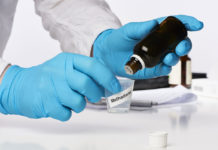
Newborn drug testing can involve urine, meconium, umbilical cord tissue, or sometimes blood. Each sample type answers a different question. Urine usually reflects more recent exposure. Meconium, the baby’s first stool, can reflect exposure over a longer period late in pregnancy. Umbilical cord tissue is also used by many hospitals because it is available at birth and can be easier to collect than meconium.
The question “Do hospitals always test meconium” is common, and the answer is no. Meconium testing is not automatic in Florida, and it is not the only method hospitals may use. Some hospitals prefer cord tissue. Others use urine first because it gives fast results. Some use a combination if the medical or child-protection stakes are high.
Initial screens can also produce false positives or results that require confirmation. A preliminary screen is not always the final word. Parents should ask whether a positive result was confirmed by a more specific laboratory method and whether prescribed medications, anesthesia, or medications given during labor could affect interpretation.
What happens after a positive newborn drug test in Florida
A positive newborn drug test in Florida does not lead to one single outcome in every case. The response depends on the substance, the infant’s symptoms, the mother’s medical history, whether the exposure is explained by prescribed treatment, the hospital’s policy, and whether staff believe the baby may be unsafe after discharge.
Medical staff may monitor the baby longer, treat withdrawal symptoms, assess feeding and weight gain, and involve social workers. If opioid exposure is involved, the baby may be observed for neonatal opioid withdrawal syndrome. If the positive test is linked to a prescribed medication, such as methadone or buprenorphine used for opioid use disorder, the clinical response should account for that context.
Parents may be asked about prenatal care, current substance use, treatment participation, mental health, housing, and whether there is a safe caregiver at home. In many cases, the hospital’s goal is to create a safe discharge plan. In more serious cases, a report to child protective authorities may be made.
How CPS and mandatory reporting may be involved
The phrase “CPS newborn drug test” often appears in online searches because parents want to know whether a positive result automatically means a child will be removed. It does not automatically mean that. But a positive toxicology result can trigger a report or assessment, especially if hospital staff suspect abuse, neglect, or unsafe caregiving conditions.
Florida, like other states, operates under mandatory reporting rules for suspected child abuse or neglect. Hospitals must consider both the toxicology result and the infant’s safety. A report can lead to screening, investigation, or a plan of safe care. Outcomes vary widely: some families receive referrals and monitoring, while others may face court involvement if there are serious safety concerns.
Online anecdotes, including posts about drug testing newborns after delivery in South Florida, show how confusing and inconsistent the experience can feel to families. Such posts are not legal authority, but they reflect a real problem: parents often do not know a hospital’s policy until after testing has occurred.
Marijuana, opioids, and other substances: what hospitals look for
Hospital toxicology panels vary, but they commonly look for substances such as opioids, cocaine, amphetamines, benzodiazepines, barbiturates, and cannabis. Some panels may include fentanyl or require a separate order to detect it. Hospitals may also consider alcohol exposure, though alcohol is not always captured by the same newborn toxicology tests.
Marijuana deserves special attention because legality and medical risk are often confused. Florida has a medical marijuana program, but cannabis exposure during pregnancy can still raise pediatric and child-welfare concerns. A Florida-focused review on prenatal marijuana exposure discusses state-level issues and the need for clearer guidance around screening and reporting; see Prenatal marijuana exposure in the state of Florida.
For opioids, hospitals should distinguish between nonmedical opioid use and evidence-based treatment with methadone or buprenorphine. Babies exposed to these medications may still need monitoring, but treatment during pregnancy is generally considered safer than untreated opioid use disorder.
How long drugs can be detected in newborn urine, meconium, or cord tissue
Detection windows depend on the substance, dose, frequency of use, maternal metabolism, timing of exposure, and the specimen tested. Newborn urine generally captures recent exposure, often in the last few days before delivery. It is useful for quick answers but can miss earlier pregnancy exposure.
Meconium can reflect exposure over a longer period, often the later second trimester into the third trimester, though exact windows vary. Umbilical cord tissue also reflects prenatal exposure, generally weighted toward later pregnancy, and is commonly used because it can be collected immediately after birth.
No test gives a perfect timeline. A positive result does not always prove impairment at birth, and a negative result does not rule out all exposure. Confirmation testing and clinical context matter, particularly when prescribed medications or hospital-administered drugs are involved.
Why hospital policies differ across Florida
Policies differ because Florida does not impose one universal newborn drug-testing protocol on all hospitals. Each health system balances medical guidance, liability concerns, child welfare obligations, laboratory capabilities, and consent practices. That is why questions such as “Does AdventHealth drug test newborns” are hard to answer with a statewide yes or no. A specific AdventHealth hospital, or any other Florida hospital, may have its own policy and may apply it based on clinical criteria.
Hospitals are also responding to changing national standards. As the Florida Phoenix reported in 2024, some systems are reconsidering broad testing practices because they can deter prenatal care and disproportionately affect low-income patients and patients of color. The emerging public-health emphasis is on informed consent, consistent criteria, treatment access, and safe care plans rather than reflexive punishment.
For parents, the practical takeaway is simple: the hospital name alone is not enough. Ask the exact facility where you plan to deliver.
What parents should ask their doctor or hospital before delivery
If you are pregnant in Florida and concerned about newborn drug testing, ask early and ask plainly. Clear answers before labor are better than surprises during discharge planning.
- Does this hospital routinely drug test newborns, or only when medically indicated?
- Under what circumstances would my baby be tested?
- Does the hospital test mothers during labor or delivery?
- Is written or verbal consent required for maternal or newborn toxicology testing?
- What specimen is used: urine, meconium, umbilical cord tissue, or blood?
- Are positive screens confirmed by a more specific test?
- How are prescribed medications documented and interpreted?
- When is a child welfare report made?
- Does the hospital use a plan of safe care or treatment referral process?
- Who can I speak with now if I need help stopping or reducing substance use?
If you are using opioids, benzodiazepines, cannabis, alcohol, stimulants, or any nonprescribed drug, it is safer to tell a clinician than to avoid care. Treatment and prenatal monitoring can reduce risks for both parent and baby. If you are taking prescribed medication, bring documentation and make sure your obstetric and pediatric teams know before delivery.
Frequently Asked Questions
Do they drug test you when giving birth in Florida?
Not automatically under a statewide Florida law. A hospital may test a mother during labor or delivery if its policy allows it and there is a clinical reason, consent process, or concern about substance exposure. Ask your delivery hospital for its written policy.
Do babies get tested for drugs when born?
Some babies are tested, but not all. Florida does not require universal newborn drug testing. Hospitals may test if there are symptoms, documented prenatal substance use, limited prenatal care, or other safety or medical concerns.
How long can drugs be detected in newborn urine?
Newborn urine usually shows recent exposure, often within the last few days before birth, depending on the substance. Meconium and umbilical cord tissue can reflect a longer window of prenatal exposure, especially later pregnancy.