


Cocaine Addiction Symptoms and Warning Signs
Wondering if cocaine use has crossed the line into addiction can feel scary and confusing—especially when you’re trying to separate rumor from reality or protect someone you love. Cocaine can cause obvious short-term changes, but it can also create quieter, longer-term patterns that look like personality changes, mental health issues, or “just stress.”
This guide breaks down cocaine addiction symptoms in a practical way, including:
- Signs someone may be high on cocaine right now
- Symptoms of cocaine addiction (clinically called cocaine use disorder)
- What the cocaine crash and withdrawal can look like
- Overdose warning signs and when to call 911
- What helps, including treatment options and how to start the conversation
If you need help finding treatment: SAMHSA’s National Helpline is free, confidential, and available 24/7 at 1-800-662-HELP (4357). They also offer a text option: text your ZIP code to 435748 (HELP4U). Source: SAMHSA National Helpline.

Why cocaine symptoms can be hard to spot
Cocaine is a stimulant that can cause bursts of energy, confidence, talkativeness, and reduced need for sleep. For some people, those changes can look like “being in a great mood” or “being productive.” Over time, though, cocaine can reshape priorities, relationships, and health.
It also matters how cocaine is used (snorted, smoked as crack, or injected) and whether it is mixed with alcohol or other drugs. Another important reality today is that the drug supply is unpredictable, and stimulants can be contaminated with opioids like fentanyl. This is one reason clinicians and public health experts encourage people to know overdose signs and carry naloxone when possible. For families learning practical overdose response steps, see: how family members can respond to opioid overdoses (naloxone basics).
Quick checklist of cocaine addiction symptoms
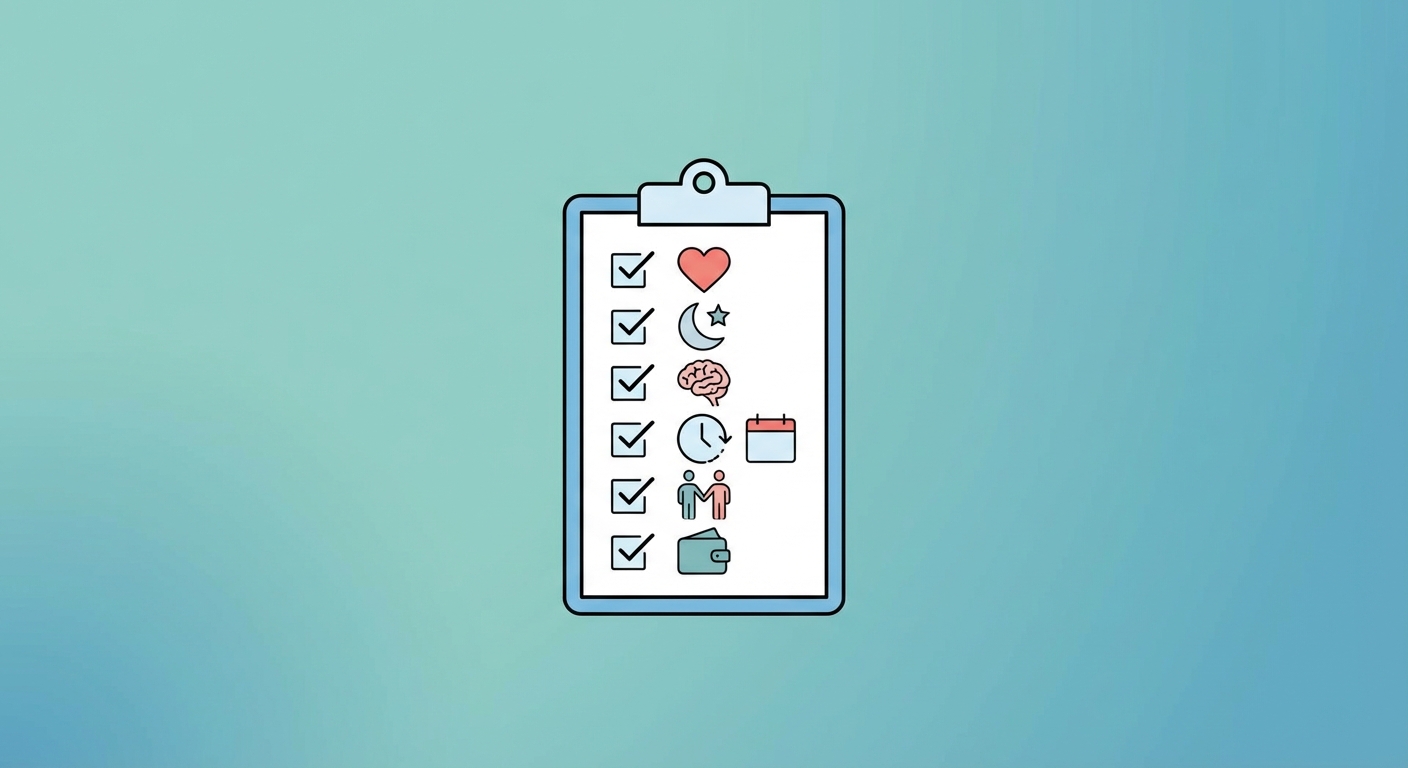
If you want a fast scan, here are common red flags that cocaine use may have become a substance use disorder:
- Cravings that feel urgent or hard to ignore
- Using more than planned, or using longer than intended
- Failed attempts to cut down or stop
- Spending a lot of time getting, using, or recovering from cocaine
- Neglecting work, school, parenting, or relationships
- Financial problems linked to use
- Risky behavior while using (unsafe sex, driving, fights)
- Using despite harm (health scares, panic attacks, relationship fallout)
- Needing more cocaine to get the same effect (tolerance)
- Withdrawal or crash symptoms when not using (depression, fatigue, intense cravings)
One sign by itself does not “prove” addiction. Patterns matter. If multiple items above are showing up and getting worse, it is worth taking seriously.
Signs someone is high on cocaine right now
These are symptoms of cocaine intoxication, meaning the drug is currently affecting the body and brain. Some are subtle; others can become dangerous quickly.
Physical signs
- Large pupils, bright or “wide-eyed” appearance
- Runny nose, frequent sniffing, nosebleeds (common with snorting)
- Fast heartbeat, elevated blood pressure
- Rapid speech, increased energy, restlessness
- Decreased appetite
- Jaw clenching, teeth grinding
- Sweating, overheating
- Tremors or twitching
Behavioral signs
- Unusually confident, talkative, or “amped up”
- Impulsivity, risk-taking, irritability
- Secrecy, frequent bathroom trips, disappearing at odd times
- Spending sprees or sudden money problems
- Staying up all night, then crashing
Mental and emotional signs
- Feeling euphoric or unusually “on top of the world”
- Anxiety, agitation, panic
- Suspicion or paranoia
- Anger that feels out of proportion to the situation
Important: Some of these symptoms can overlap with bipolar disorder, ADHD, thyroid issues, or anxiety disorders. If you are unsure, a healthcare professional can help with assessment and screening.
Symptoms of cocaine addiction over time
Clinicians often use the term cocaine use disorder to describe a range from mild to severe addiction. The defining feature is not just “using cocaine,” but the way use becomes compulsive and continues despite harm.
1) Loss of control
- Using more than intended
- Using “just this once” and then binging
- Not being able to stop once you start
- Repeated, unsuccessful attempts to cut down
2) Preoccupation and lifestyle changes
- Planning life around getting or using cocaine
- Pulling away from hobbies, family time, or responsibilities
- Hiding use, lying, or minimizing consequences
- Hanging out with a new circle where use is normalized
3) Relationship, work, and legal problems
- Conflict, mistrust, or emotional distance in relationships
- Missed work or school, declining performance, job loss
- DUI, possession charges, or other legal trouble
4) Health effects that can build quietly
- Sleep problems, mood swings
- Persistent anxiety or panic attacks
- Depression, especially during comedowns
- Weight loss or poor nutrition
- Nasal damage (if snorted), chronic congestion, frequent nosebleeds
- Chest pain, heart rhythm problems, higher risk of heart attack or stroke
Even if someone can “hold it together” in public, cocaine addiction often shows up in private as exhaustion, secrecy, financial instability, and emotional volatility.
Cocaine crash and withdrawal symptoms
Many people think withdrawal always looks like vomiting, shaking, or sweating. Cocaine withdrawal often looks different. According to MedlinePlus, when a binge ends or use stops, a crash can happen almost right away, with strong cravings and symptoms like fatigue, lack of pleasure, anxiety, irritability, sleepiness, and sometimes agitation or paranoia. Source: MedlinePlus: Cocaine withdrawal.
Common cocaine withdrawal symptoms
- Depressed mood
- Fatigue
- Agitation and restless behavior
- Increased appetite
- Vivid, unpleasant dreams
- Slowing of activity (psychomotor retardation)
- Cravings that can feel intense
MedlinePlus also notes that cravings and depression can last for months after stopping long-term heavy use, and that withdrawal symptoms may be associated with suicidal thoughts in some people. If someone is talking about suicide or you are worried about immediate safety, call 988 or 911 right away. Source: MedlinePlus.
What families often notice during the crash
- Sleeping for long stretches, calling out of work, disappearing socially
- Severe irritability, “flat” mood, or emotional numbness
- Eating a lot after periods of barely eating
- Feeling ashamed, hopeless, or panicked
- Promising to stop, then using again to feel normal
Tip: The crash is a high-risk time for relapse. It can also be a moment when someone is more open to help because the consequences feel real.
Overdose and emergency symptoms

Cocaine overdose does not always look like “passing out.” Because cocaine is a stimulant, overdose can show up as a dangerous strain on the heart, brain, and body temperature regulation.
Call 911 right now if you see any of these
- Chest pain, pressure, or trouble breathing
- Seizure
- Severe agitation, confusion, or panic that is escalating
- Hallucinations or extreme paranoia
- Very high fever, overheating, or hot and dry skin
- Fainting, loss of consciousness, or inability to wake
- Signs of stroke: face drooping, arm weakness, slurred speech
What if fentanyl is involved?
Some cocaine is contaminated with fentanyl or other opioids. If an opioid is involved, you may see overdose signs such as:
- Slow, irregular, or stopped breathing
- Blue or gray lips and fingernails
- Very small pupils
- Unresponsiveness
If you suspect an opioid overdose, give naloxone if it is available and call 911. Even if you are not sure what was taken, it is safer to treat it like a possible opioid overdose because naloxone will not harm someone who is not on opioids.
Why cocaine use is especially risky right now
Overdose trends show that stimulant-involved deaths remain a major concern. The CDC reported that from 2022 to 2023, the age-adjusted rate of overdose deaths involving cocaine increased 4.9% (from 8.2 to 8.6 per 100,000). Source: CDC NCHS Data Brief No. 522 (Published Dec 2024).
Behind that statistic are real people, often dealing with polysubstance use, unpredictable potency, and mental health strain. If you are using cocaine or worried about a loved one, harm reduction steps (like not using alone and having naloxone available) can save lives while you work toward treatment.
Cocaine vs crack symptoms
Cocaine and crack are related substances, but they are often used differently:
- Powder cocaine is commonly snorted (and sometimes injected).
- Crack is typically smoked.
Because smoking delivers the drug to the brain quickly, crack can produce a more intense, rapid high and a sharper crash, which can reinforce binge patterns. Many symptoms overlap, but crack use may be associated with more frequent dosing cycles, stronger cravings, and respiratory irritation from smoking.
When symptoms mean it is time to seek treatment
Consider reaching out for professional help if any of the following are true:
- You are afraid of what happens when you do not use (panic, depression, cravings).
- You have tried to stop and could not.
- Cocaine is affecting your sleep, mood, work, or relationships.
- You have had a health scare (chest pain, fainting, severe anxiety).
- You are mixing cocaine with alcohol, opioids, benzos, or other drugs.
You do not have to wait for “rock bottom.” Earlier support often means fewer consequences and a safer recovery.
What treatment for cocaine addiction can look like
There is no single path that fits everyone, but effective care usually includes a combination of medical support, therapy, and recovery planning.
Medical support and stabilization
Cocaine withdrawal is often more psychological than physically dangerous, but it can still be serious. Depression, suicidality, paranoia, and relapse risk are important to monitor. Some people benefit from a supervised setting, especially if they:
- Have co-occurring anxiety, depression, PTSD, or bipolar disorder
- Use multiple substances
- Have a history of overdose or severe mental health symptoms
Behavioral therapies with strong evidence
- Cognitive behavioral therapy (CBT) to manage cravings, triggers, and thought patterns
- Contingency management, which provides structured rewards for treatment goals (shown to improve stimulant recovery outcomes in many settings)
- Motivational interviewing to strengthen readiness for change
- Family therapy when relationships and home dynamics are part of the relapse cycle
Levels of care
- Inpatient or residential rehab for intensive structure and support
- Partial hospitalization (PHP) for near-daily treatment while living at home
- Intensive outpatient (IOP) for structured therapy several days per week
- Outpatient counseling for ongoing support and relapse prevention
If you are comparing options, you may find this DAN resource helpful: the essential role of rehab facilities in recovery.
Support after treatment
Long-term recovery often improves when people build support outside formal treatment, such as peer recovery groups, recovery coaching, and sober living when needed. Transitional housing can be a game-changer for people leaving higher levels of care. For background, see: halfway houses and transitional living options.
How to talk to someone you are worried about
If you suspect a loved one is struggling, you do not need the perfect words. You need a calm moment, a clear concern, and a next step.
A simple conversation script
- Start with care: “I love you, and I’m worried about you.”
- Name what you are seeing: “I’ve noticed you aren’t sleeping, you seem on edge, and money has been disappearing.”
- State the impact: “It’s affecting your health and our trust.”
- Offer help with a specific next step: “Can we call a treatment navigator together today?”
What not to do
- Do not argue about whether it is “really addiction.” Focus on harm and safety.
- Do not make threats you cannot follow through on.
- Do not try to control or monitor every move. It often escalates conflict.
If you need boundaries
Boundaries are not punishment. They are about safety and clarity. Examples might include not lending money, not allowing cocaine in the home, or requiring treatment engagement to continue living together. If your relationship is central to the situation, couples-focused recovery support can help: rehab for couples (what it is and how it works).
Frequently asked questions about cocaine addiction symptoms
What are the most common cocaine addiction symptoms?
Common symptoms include cravings, using more than intended, unsuccessful attempts to quit, spending a lot of time using or recovering, mood and sleep changes, and continuing use despite clear consequences (health, relationships, work, finances).
How can I tell the difference between being high and being addicted?
Being high describes short-term intoxication (pupil changes, high energy, agitation). Addiction shows up as a pattern over time: loss of control, compulsive use, and continued use despite harm, often with withdrawal or crash symptoms when not using.
What does cocaine withdrawal feel like?
Many people experience a crash with fatigue, low mood, lack of pleasure, anxiety, irritability, sleepiness, and intense cravings. MedlinePlus lists withdrawal symptoms such as agitation, depressed mood, fatigue, increased appetite, vivid unpleasant dreams, and slowed activity. Source: MedlinePlus.
Can cocaine addiction cause depression or paranoia?
Yes. Depression can occur during the crash and withdrawal, and paranoia can occur during intoxication and sometimes during withdrawal, especially with heavy use.
How to get help today
If you are feeling overwhelmed, you are not alone and support is available.
- For treatment referrals: Call SAMHSA at 1-800-662-HELP (4357) or visit FindTreatment.gov.
- If there is immediate danger or overdose symptoms: call 911.
- If you are worried about suicide: call or text 988 (988 Suicide and Crisis Lifeline).
If you want to understand how long cocaine’s effects can last (including how long the “high” may linger and what that can mean for symptoms), see: how long cocaine lasts.
Key takeaway: Cocaine addiction symptoms are not just physical. They are patterns of compulsion, mood changes, crashes, and consequences that build over time. The earlier you reach out, the more options you usually have.
Sources
- CDC, National Center for Health Statistics. Drug Overdose Deaths in the United States, 2003-2023 (NCHS Data Brief No. 522, published December 2024). https://www.cdc.gov/nchs/products/databriefs/db522.htm
- MedlinePlus Medical Encyclopedia. Cocaine withdrawal. https://medlineplus.gov/ency/article/000947.htm
- SAMHSA. National Helpline. Last updated 08/04/2025. https://www.samhsa.gov/find-help/national-helpline