

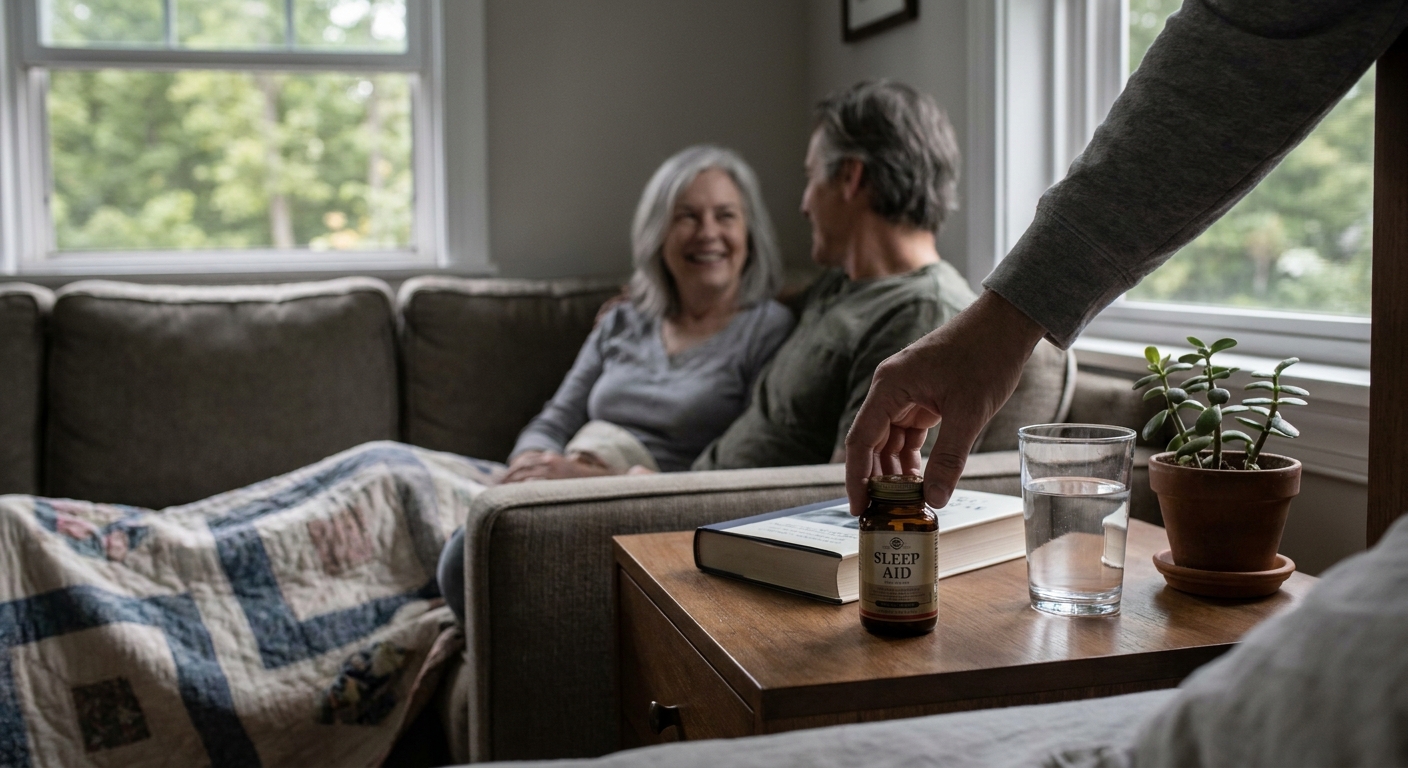
Ambien and Lunesta are among the best-known prescription sleep medicines in the United States. Both can help some people with insomnia, and both carry important safety risks that are sometimes underappreciated because they are not benzodiazepines.
The central question is not simply “Lunesta vs Ambien which is stronger?” It is which medicine, if any, fits a person’s sleep pattern, age, health history, other medications, substance use risks, and next-day responsibilities such as driving. As of 2026, both drugs should be understood as short-term or carefully monitored insomnia treatments—not risk-free nightly sleep aids.
What Ambien and Lunesta are and why they’re prescribed for insomnia
Ambien is the brand name for zolpidem. Lunesta is the brand name for eszopiclone. They belong to a class often called “Z-drugs,” sedative-hypnotic medications that act on GABA-related receptors in the brain to promote sleep. They are prescribed for insomnia when sleep problems are severe, persistent, or impair daytime functioning.
Ambien is commonly used for trouble falling asleep. Ambien CR, an extended-release form, is designed to help with both falling asleep and staying asleep. Lunesta is also used for sleep onset and sleep maintenance, and its longer duration can make it more relevant for people who wake during the night. Consumer medical summaries from Drugs.com’s comparison of Lunesta and Ambien describe both as prescription hypnotics with overlapping but distinct dosing and duration profiles.

Neither medication treats the underlying causes of insomnia, such as sleep apnea, depression, anxiety, chronic pain, alcohol use, stimulant use, irregular work schedules, or poor sleep timing. That is why clinicians usually assess the broader sleep picture before starting or continuing either drug.
Key differences in onset, duration, and who each drug may fit

Ambien typically works quickly, often within about 30 minutes, and is usually taken immediately before bed. Its shorter action is one reason it may be considered for people who mainly struggle to fall asleep but do not wake repeatedly overnight.
Lunesta also works relatively quickly, but it generally lasts longer. That longer half-life can help people who wake up too early or cannot stay asleep, but it may also increase next-day grogginess in some patients. WebMD’s Ambien vs. Lunesta overview similarly frames Ambien as shorter-acting and Lunesta as more likely to last through the night.
Ambien CR vs Lunesta is a more specific comparison. Ambien CR has two layers: one that dissolves quickly and another that releases later. Lunesta is not the same formulation, but its duration may also support sleep maintenance. Which is preferable depends on whether a person wakes at 2 a.m., has morning driving duties, is older, or takes other sedating medicines.
Ambien vs Lunesta vs Sonata is another common comparison. Sonata, the brand name for zaleplon, is shorter-acting than both and is sometimes discussed for sleep-onset insomnia or middle-of-the-night use when enough sleep time remains. A clinician’s decision depends on the pattern of insomnia and the risk of impairment.
Ambien vs. Lunesta side effects, including next-day impairment
Ambien vs Lunesta side effects overlap because both depress the central nervous system. Common adverse effects may include dizziness, drowsiness, headache, impaired coordination, unusual dreams, memory problems, and a drugged or “hungover” feeling the next day. Lunesta is also known for a possible unpleasant or metallic taste.
Next-day impairment is a key safety concern. Even if a person feels awake, reaction time, judgment, and driving performance may be affected. Risk increases with higher doses, too little time in bed, older age, liver problems, and combining the medication with alcohol or other sedatives.
Some people compare Lunesta vs Ambien vs trazodone because trazodone, an antidepressant often used off-label for insomnia, is not a Z-drug. But trazodone also has risks, including next-day sedation, dizziness, low blood pressure, and interactions. “Not controlled in the same way” does not mean “safe for everyone.” GoodRx’s review of prescription sleep aids notes that medication choice varies by symptom pattern and safety profile.
FDA boxed warning: complex sleep behaviors and injury risk
Both Ambien and Lunesta carry serious warnings about complex sleep behaviors. These are actions performed while not fully awake, such as sleepwalking, sleep-driving, cooking, eating, making phone calls, or having sex, with little or no memory afterward.
The most severe reported outcomes include injuries and deaths. This risk can occur even at recommended doses and may happen after the first dose or after longer use. Alcohol and other sedatives appear to raise concern further, but complex sleep behaviors have also been reported without them.
Anyone who has had a complex sleep behavior after taking zolpidem, eszopiclone, or a similar medication should not simply try a lower dose or switch brands without medical guidance. The event should be reported to the prescriber promptly, because rechallenge may be dangerous.
Misuse, dependence, withdrawal, and why “Z-drugs” are not risk-free
Z-drugs were developed in part as alternatives to older sedatives, but they can still be misused. Some people take extra doses when the first dose “doesn’t work,” combine them with alcohol, or use them during the day for sedation or anxiety relief. Others develop psychological reliance: the belief that sleep is impossible without the pill.
Physical dependence can occur, especially with higher doses or long-term use. Stopping suddenly may lead to rebound insomnia, anxiety, agitation, sweating, tremor, or other withdrawal symptoms. Rarely, severe withdrawal can occur, particularly after heavy use or polysubstance use.
This is why “Lunesta vs Ambien which is stronger” can be the wrong framing. The safer question is: what is the lowest effective dose for the shortest appropriate time, and what plan addresses the underlying insomnia?
Can you take Ambien and Lunesta together?
In general, Ambien and Lunesta should not be taken together unless a prescriber gives explicit, individualized instructions—and such combined use is uncommon. Taking both increases sedation and can raise the risk of confusion, falls, slowed breathing, blackout-like amnesia, complex sleep behaviors, and next-day impairment.
People sometimes double up after a bad night of sleep, but that is risky. If one sleep medicine is not working, the answer is not to add another hypnotic on the same night. Contact the prescriber, especially if insomnia is worsening, doses are escalating, or other sedating substances are involved.
Switching from Ambien to Lunesta: what to know before changing medications

Switching from Ambien to Lunesta should be planned with a clinician. The prescriber may consider why Ambien is being stopped: lack of benefit, early-morning awakenings, side effects, complex sleep behavior, misuse concern, or next-day impairment. Those reasons affect whether Lunesta is appropriate at all.
A direct switch may be possible for some patients, while others may need dose adjustment, tapering, or a different treatment strategy. People who have taken high doses or used Ambien for a long time should not stop abruptly without advice because rebound insomnia and withdrawal symptoms may follow.
Age matters. Older adults are more vulnerable to falls, confusion, and cognitive effects from sedative-hypnotics. So do work demands. A person who drives early in the morning, operates machinery, cares for children overnight, or has untreated sleep apnea needs a more cautious plan.
How alcohol, opioids, and other depressants raise overdose and accident risk
Alcohol, opioids, benzodiazepines, muscle relaxants, sedating antihistamines, antipsychotics, and some anxiety medications can intensify the effects of Ambien and Lunesta. The combined effect may be more than simple drowsiness. It can include slowed breathing, poor coordination, falls, car crashes, aspiration, and overdose.
This interaction risk is especially important in the current drug-safety context. Many overdose deaths involve more than one depressant substance. Even when a Z-drug is not the primary cause, it can contribute to impaired judgment or respiratory depression when combined with opioids or alcohol.
Patients should tell prescribers about all substances they use, including cannabis, over-the-counter sleep aids, and occasional alcohol. A medication list that omits “only on weekends” drinking or leftover opioid pain pills can lead to unsafe prescribing.
Safer insomnia treatment options and when to seek help
The best-supported long-term treatment for chronic insomnia is cognitive behavioral therapy for insomnia, often called CBT-I. It targets the learned patterns, worry cycles, timing problems, and behaviors that keep insomnia going. It can be delivered in person, through telehealth, or through structured digital programs.
Other options may include sleep schedule changes, light exposure management, treatment of sleep apnea or restless legs syndrome, and medication review. Some patients may benefit from melatonin receptor agonists, low-dose doxepin, orexin receptor antagonists, or other targeted therapies depending on the symptoms and risks. Healthline’s Lunesta and Ambien comparison and MEDvidi’s clinical overview both emphasize that individual health factors shape the choice.
Seek medical help promptly if sleep medicine use is escalating, you cannot sleep without pills, you mix sleep aids with alcohol or opioids, you experience memory gaps, or someone reports unusual nighttime behavior. Urgent care is warranted for slowed breathing, extreme confusion, injury, suspected overdose, or inability to wake someone.
Ambien and Lunesta can be useful for selected patients, but the margin of safety narrows when they are used casually, combined with depressants, or continued without reassessment. A safer insomnia plan starts with diagnosis, not just sedation.
Frequently Asked Questions
Which sleeping pill is better, Lunesta or Ambien?
Neither is universally better. Ambien may fit sleep-onset insomnia because it acts quickly and is shorter-acting, while Lunesta may fit some people who have trouble staying asleep. Safety factors—age, next-day driving, other medications, alcohol use, and past side effects—often matter more than perceived strength.
Why don’t doctors prescribe Lunesta?
Some doctors do prescribe Lunesta, but they may avoid it when the risks outweigh the benefits. Reasons include next-day impairment, fall risk, complex sleep behaviors, substance use concerns, interactions with opioids or alcohol, pregnancy considerations, older age, or a preference for CBT-I and other safer long-term insomnia treatments.