

Few drug stories have spread as fast — or proven as hard to verify — as krokodil. Branded the “flesh-eating” or “zombie” drug in a wave of 2013 news coverage, it became shorthand for the most gruesome corner of addiction: necrotic wounds, exposed bone, scaly green-black skin. More than a decade later, the imagery still circulates on social media. But the harder question is what’s actually true in the present tense. As of 2024, is krokodil a real threat on American streets, or has its name become a label for something else entirely — namely fentanyl and the animal sedative xylazine?
This is a clear-eyed status check, anchored to toxicology, pharmacology data, and what U.S. officials are tracking now. The shock images deserve scrutiny, not just amplification.
What krokodil (desomorphine) actually is and how it’s cooked from codeine
Krokodil is the street name for an injectable preparation centered on desomorphine, a synthetic opioid first patented in the 1930s. Chemically, desomorphine is a morphine derivative — dihydrodesoxymorphine — that is more potent than morphine and faster-acting, with a short duration. On its own, in pharmaceutical form, it is simply a powerful opioid analgesic.
What makes street krokodil distinct is not the desomorphine itself but how it is made. According to the DEA’s drug chemistry profile, homemade krokodil is synthesized from codeine — often bought over the counter where that is legal — combined with caustic household ingredients: red phosphorus from matchbox striking surfaces, iodine, gasoline, paint thinner, hydrochloric acid, and lighter fluid.

The product is rarely purified. As pharmacology reviews note, the injected liquid contains substantial residue of those corrosive reagents. The name “krokodil” (Russian for crocodile) is widely traced to the scaly, discolored skin that develops at injection sites — though some attribute it to chlorocodide, an intermediate in the crude synthesis.
Why it earned the “flesh-eating” / “zombie” nicknames — the dermatological and tissue damage
The grim nicknames come from what happens to tissue, and the cause is mostly the contaminants — not a unique property of the opioid. Injecting a solution laced with phosphorus, acids, and solvents damages blood vessels and soft tissue directly. The result, documented in clinical case reports, includes severe skin necrosis, ulceration, gangrene, thrombophlebitis, and deep abscesses.
The “flesh-eating” description is somewhat misleading. The drug does not literally consume flesh; rather, repeated injection of caustic material causes tissue to die from the inside, sometimes exposing muscle and bone. In advanced cases described in the literature, patients required amputation, and damage to bone (osteonecrosis, particularly of the jaw) has been reported.

It’s worth stressing the mechanism, because it reframes the horror. The disfigurement associated with krokodil is largely a wound-care and infection problem driven by dirty, corrosive injections — not evidence of a supernatural “zombie” effect. Similar (though usually less extreme) soft-tissue damage occurs with other contaminated injection practices.
The Russia origin story and why it spread there
Krokodil emerged in Russia and surrounding former Soviet states in the 2000s, and the reason was largely economic. As the West Virginia University pharmacy review describes, heroin became expensive and harder to obtain in some regions, while codeine-containing medicines were cheap and available without a prescription. People with opioid dependence could cook a heroin-like high at home for a fraction of the cost.
The trade-off was brutal. The high from krokodil is short — often under two hours — which drives frequent re-dosing and repeated injection of the toxic brew. Russian harm-reduction and media reports from that period described extremely short life expectancies among heavy users, often measured in a couple of years. The phenomenon was real and regionally significant; estimates suggested hundreds of thousands of users across Russia at its peak.
Crucially, krokodil was a substitute drug born of supply conditions specific to that region — abundant cheap codeine plus constrained heroin. Those conditions did not map neatly onto the United States.
The 2013 U.S. “outbreak” panic and why most reported cases were never confirmed
In the fall of 2013, U.S. headlines announced that krokodil had arrived. Reports surfaced in Arizona, Illinois, Oklahoma, and elsewhere. The coverage was vivid and frightening — and, as it turned out, largely unverified.
The American Association of Poison Control Centers and the DEA repeatedly noted that they had not confirmed the presence of desomorphine in those reported cases through laboratory analysis. The California Poison Control System and other authorities emphasized that no samples had tested positive for desomorphine. Many “krokodil” injuries were more plausibly explained by infections and necrosis from injecting other contaminated drugs.
There were also structural reasons to doubt a U.S. krokodil wave. American codeine is generally prescription-controlled and not sold cheaply over the counter, removing the key economic incentive that fueled Russian use. And heroin in the U.S. was relatively available. In short, the conditions that made krokodil rational in Russia largely did not exist here. The 2013 story functioned more as a viral panic than a confirmed epidemiological event.
Current U.S. reality: how krokodil fear compares to today’s fentanyl + xylazine (“tranq”) crisis
The most important update for 2024 is this: the genuine “flesh-rotting” injection crisis in the United States is not krokodil. It is xylazine — a veterinary sedative, commonly called “tranq” — increasingly mixed into the illicit fentanyl supply.
The U.S. Centers for Disease Control and Prevention and the DEA have flagged xylazine as a growing adulterant. Xylazine is not an opioid, so it doesn’t respond to naloxone, and chronic injection is associated with severe necrotic skin wounds that can resemble the imagery once attributed to krokodil. In 2023, the White House Office of National Drug Control Policy designated fentanyl combined with xylazine an “emerging threat.”
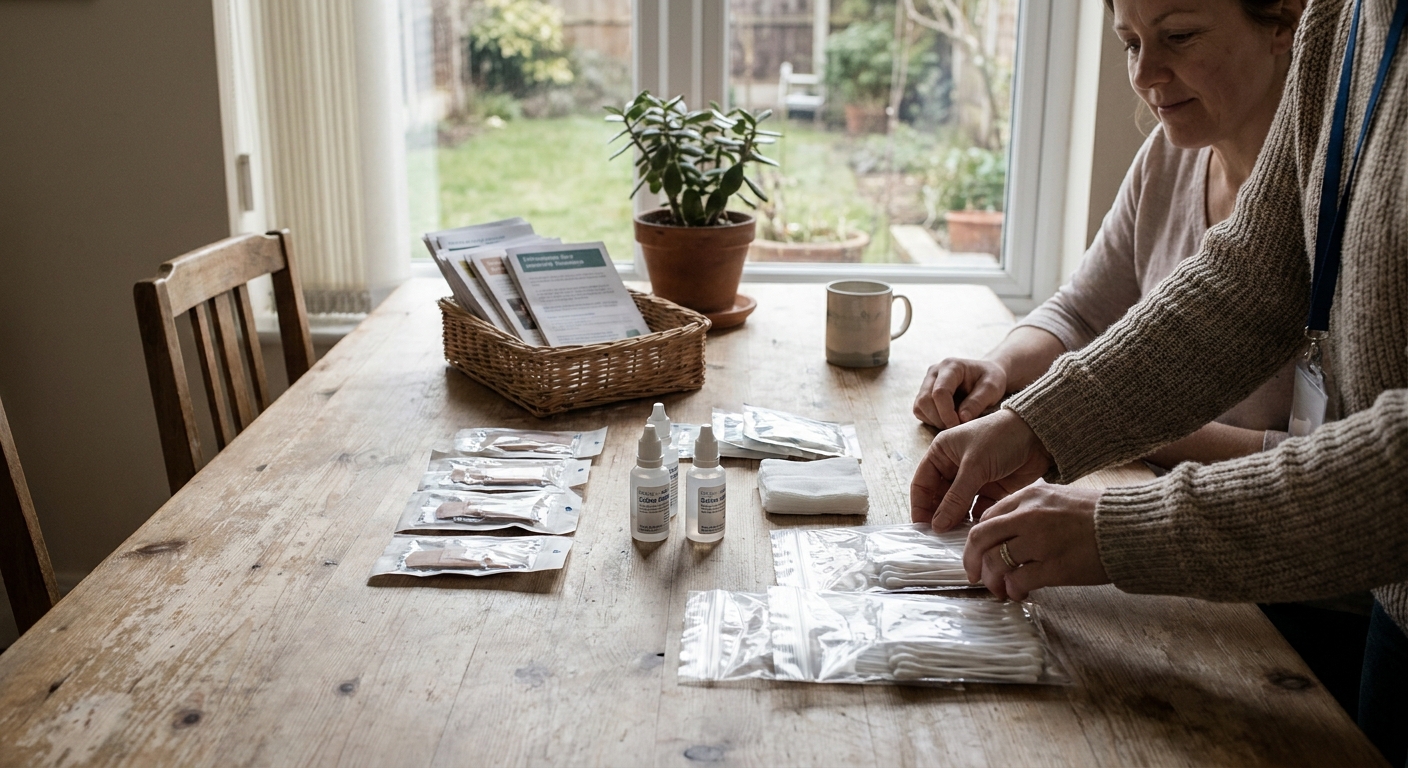
This matters for accuracy. When alarming wound photos circulate online labeled “krokodil,” they frequently depict xylazine-related necrosis or ordinary injection-site infections. Confirmed desomorphine cases remain rare to nonexistent in routine U.S. drug surveillance. The threat is real — but it has a different name, and conflating the two muddies public understanding and harm-reduction messaging.
What the substance does to the body — short- and long-term effects, overdose risk
As an opioid, desomorphine produces the expected acute effects: intense euphoria, sedation, pain relief, slowed breathing, and pinpoint pupils. Because it is more potent than morphine and very fast-acting with a short duration, overdose risk is significant, and respiratory depression is the primary mechanism of fatal overdose.
The long-term picture is dominated by the contaminants in street preparations. Documented effects include:
- Severe skin and soft-tissue damage, ulcers, and gangrene at and around injection sites
- Vein collapse and blood-vessel damage
- Bone infection and tissue death (osteomyelitis, osteonecrosis), including of the jaw
- Organ damage to the liver and kidneys
- Blood-borne infections such as HIV and hepatitis from shared needles
- Limb amputation in advanced cases
Unlike a true opioid overdose, the wound and organ damage from krokodil is cumulative and often irreversible — a function of repeatedly injecting acids, solvents, and phosphorus. For genuine opioid overdose, naloxone can reverse respiratory depression, but it does nothing for the tissue destruction caused by the contaminants.
Signs of abuse, addiction, withdrawal, and why treatment is so difficult
Because desomorphine is a potent opioid, dependence develops quickly, and withdrawal mirrors that of heroin and other opioids — but is frequently described as more intense and prolonged. Reported signs of krokodil use and dependence include:
- Discolored, scaly, or ulcerated skin, especially near veins
- Open wounds, abscesses, or visible tissue damage
- Strong chemical or solvent odor
- Rapid physical deterioration and weight loss
- Compulsive, frequent injecting driven by the drug’s short high
Treatment is difficult on two fronts. First, the opioid dependence itself requires medically supervised withdrawal and, ideally, medication-assisted treatment such as buprenorphine or methadone, plus ongoing behavioral support. Second — and uniquely — patients often arrive with advanced wounds, infections, and systemic damage that demand intensive medical and surgical care alongside addiction treatment. Withdrawal from krokodil has been reported to last far longer than typical opioid withdrawal in some cases, complicating detoxification.
If you or someone you know is struggling with opioid use, the SAMHSA National Helpline (1-800-662-HELP) offers free, confidential, 24/7 referrals.
Where the data actually stands now and what officials are tracking
As of 2024, U.S. drug surveillance from agencies including NIDA, the CDC, and the DEA shows no confirmed krokodil epidemic. Desomorphine is a Schedule I controlled substance in the U.S., and verified case reports remain extremely scarce. The overwhelming opioid-crisis priority is illicitly manufactured fentanyl, which drives the bulk of overdose deaths, and its increasing adulteration with xylazine.
The responsible takeaway is one of proportion. Krokodil was a genuine and devastating problem in specific regions of Russia under specific supply conditions. In the United States, it became a viral fear largely detached from confirmed laboratory evidence. The wounds, the deaths, and the urgency Americans should focus on in the present tense come primarily from fentanyl and tranq — not from a crocodile-skin myth. Distinguishing the two is not pedantry; it’s how public health resources get aimed at the actual threat.
Frequently Asked Questions
What does krokodil do to the body?
As an opioid, desomorphine causes euphoria, heavy sedation, and dangerous respiratory depression that can be fatal in overdose. The notorious physical damage — necrosis, ulcers, gangrene, vein collapse, bone and organ damage — comes mainly from the corrosive contaminants (acids, solvents, phosphorus, iodine) in homemade preparations injected repeatedly.
Why is krokodil called the flesh-eating or zombie drug?
The nicknames refer to the severe skin necrosis, ulceration, and tissue death at injection sites, which can expose muscle and bone and give skin a scaly, greenish, crocodile-like appearance. The drug doesn’t literally eat flesh; the damage is caused by injecting caustic chemical residues, not by a unique property of the opioid itself.
Is krokodil actually used in the United States?
There is no confirmed krokodil epidemic in the U.S. The 2013 “outbreak” cases were largely never verified by laboratory testing for desomorphine. The economic conditions that fueled use in Russia — cheap over-the-counter codeine plus scarce heroin — don’t apply in the U.S. Today’s real necrotic-wound crisis comes from xylazine (“tranq”) in the fentanyl supply, not krokodil.
How is krokodil different from heroin and fentanyl?
All three are opioids that depress breathing and carry overdose risk reversible by naloxone. Krokodil’s distinguishing feature is its toxic homemade synthesis from codeine and household chemicals, which produces a short high and severe tissue destruction. Fentanyl is far more potent and is the dominant driver of U.S. overdose deaths; krokodil is regionally specific and rare in the U.S.
What are the signs of krokodil addiction and withdrawal?
Signs include discolored or scaly skin near veins, open wounds and abscesses, a chemical odor, rapid physical decline, and compulsive frequent injecting due to the drug’s short duration. Withdrawal resembles opioid withdrawal — pain, agitation, nausea, insomnia — but is often reported as more intense and prolonged, and treatment is complicated by extensive wound and organ damage.