
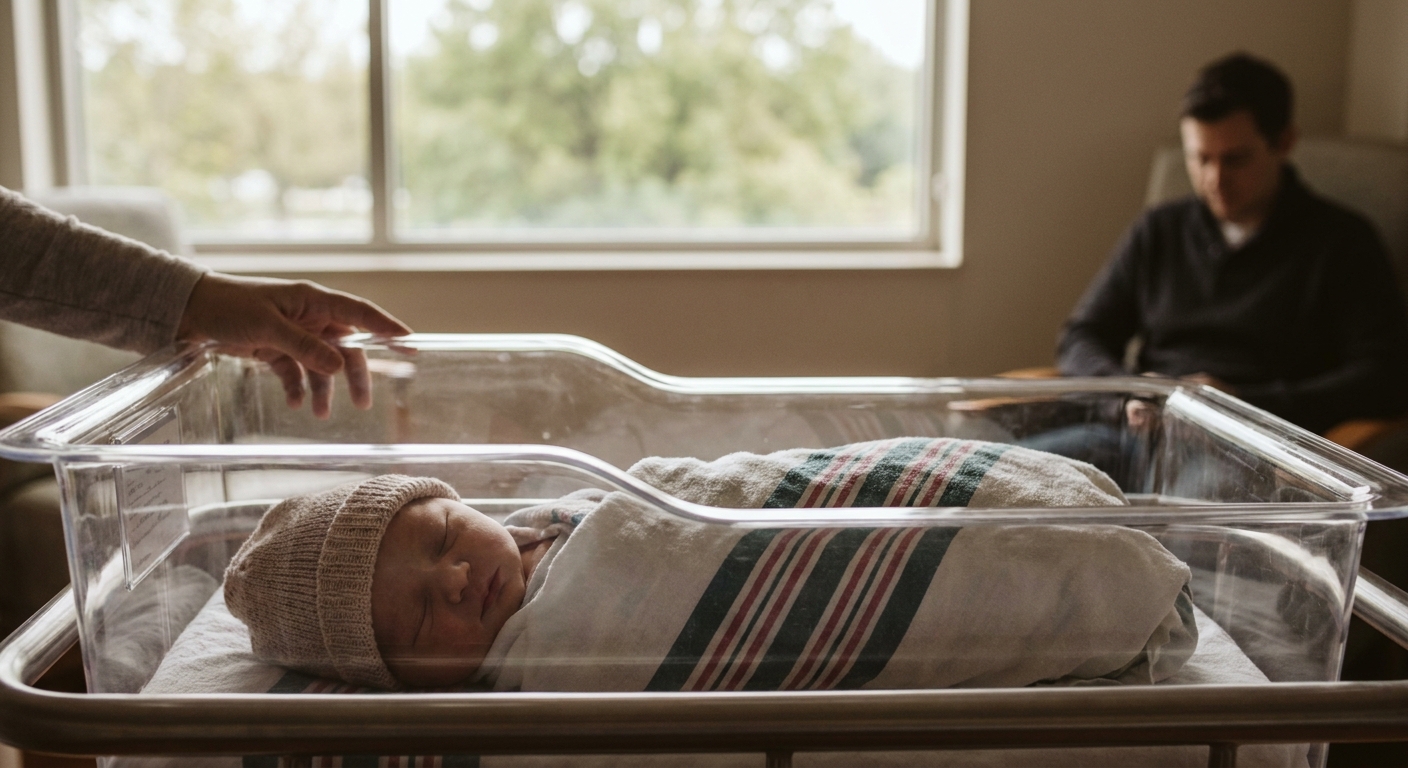
Parents searching “do hospitals drug test newborns in Florida” often find conflicting answers. Some people describe being tested after delivery; others say it never came up. The reason is simple: Florida requires certain newborn health screenings, but those are not the same thing as toxicology tests for drugs.
As of 2026, Florida law does not appear to require every hospital to drug test every newborn. In practice, testing is usually driven by hospital policy, medical concerns, maternal history, prenatal care records, symptoms in the baby, or child welfare reporting duties. The rules can feel especially confusing because a positive result may trigger both medical care and a report to child protective authorities, depending on the facts.
Whether Florida automatically drug tests newborns
Florida does not have a blanket law that says all newborns must be drug tested at birth. In other words, the answer to “does Florida require hospitals to drug test all newborns?” is generally no.
That does not mean newborn drug testing is rare. Hospitals may test when they believe there is a medical reason, when a mother’s history suggests possible prenatal exposure, when prenatal care was limited, or when the baby shows signs that could be related to withdrawal or substance exposure. Some hospitals also use internal screening tools to decide when to order toxicology tests.
This is where online anecdotes can be misleading. A parent in one Florida hospital may report no testing, while another parent in a different hospital may describe urine, meconium, or umbilical cord testing after delivery. Posts on forums such as public CPS discussion threads about newborn testing in South Florida show how much experiences vary by hospital, county, and clinical circumstances. They are not legal guidance, but they do reflect the uncertainty many families encounter.
What Florida law actually requires for newborn screening
Florida’s required newborn screening law is about detecting serious medical conditions early, not about routine drug testing. Under Florida Statute 383.14 on newborn and infant screening, the state requires screening for certain metabolic, hereditary, congenital, and other disorders, along with hearing screening and related follow-up systems.
Those screenings are public health measures intended to identify conditions that can cause disability or death if untreated. They are commonly performed on nearly all newborns using blood spots and other health screening methods. A drug toxicology test is different: it looks for evidence of exposure to substances such as opioids, cocaine, amphetamines, cannabis, sedatives, or other drugs.
This distinction matters because families sometimes hear that “newborn screening is required” and assume that includes drug screening. It generally does not. Florida newborn drug testing laws are better understood as a mix of medical standards, hospital policies, consent practices, and child welfare reporting rules rather than a universal state toxicology mandate.
When hospitals may drug test a newborn or mother
Hospitals may consider testing a newborn or mother when there are clinical or social risk factors. Common triggers can include a documented history of substance use disorder, a positive maternal drug screen during pregnancy, little or no prenatal care, unexplained placental problems, signs of intoxication, or symptoms in the newborn such as tremors, poor feeding, seizures, irritability, or respiratory distress.
University of Florida Health describes infants of substance-using mothers as babies who may have been exposed in the womb to alcohol, tobacco, prescription drugs, or illegal drugs, and notes that symptoms can vary depending on the substance and timing of exposure, according to UF Health’s clinical overview of infants of substance-using mothers.
Testing may also occur when clinicians need to guide treatment. If a newborn appears to be experiencing withdrawal, knowing whether exposure involved opioids, benzodiazepines, stimulants, or multiple substances can affect monitoring and care. For the mother, testing may be ordered during pregnancy or at delivery under hospital policy, medical necessity, or consent procedures that vary by institution.
The phrase “Florida pregnancy drug testing laws” can be misleading because the legal question is not just whether a test may be ordered. It can also involve informed consent, Fourth Amendment considerations in some circumstances, hospital admission paperwork, emergency care exceptions, and mandatory reporting obligations. Parents should ask the hospital directly what its policy is before delivery when possible.
What substances newborn drug tests can detect
Newborn toxicology testing can use several specimen types. Urine testing may show more recent exposure, but collection can be difficult and the detection window is short. Meconium, the newborn’s first stool, can reflect exposure over a longer period late in pregnancy. Umbilical cord tissue testing is also widely used because it is available immediately after birth and can detect a range of substances.
Depending on the panel, tests may look for opioids, fentanyl, methadone, buprenorphine, benzodiazepines, barbiturates, amphetamines, methamphetamine, cocaine, cannabis metabolites, and other drugs. Alcohol exposure may require different testing methods and is often assessed through history and clinical findings rather than a standard newborn drug panel.
A positive result does not always mean illegal drug use. Prescribed medications, including methadone or buprenorphine for opioid use disorder, certain pain medications, seizure medications, anxiety medications, or medications given during labor, can affect results. Confirmatory testing and review of the medical record are important before conclusions are drawn.
What happens after a positive newborn drug test in Florida
The immediate response to a positive newborn drug test is usually medical assessment. Clinicians may monitor feeding, weight, sleep, temperature, breathing, muscle tone, and signs of withdrawal. Some babies need only observation and supportive care. Others, especially infants with significant opioid withdrawal, may need longer hospitalization or medication.
For parents asking “what happens if baby tests positive for drugs in Florida,” the next steps depend on the substance, whether it was prescribed, the baby’s condition, the mother’s treatment history, and whether the hospital believes there is a safety concern. A positive toxicology result may prompt a social work assessment. It may also lead to a report to the Florida Department of Children and Families or the state abuse hotline if reporting criteria are met.
A positive test by itself does not automatically prove abuse or neglect in every circumstance. For example, a baby exposed to prescribed buprenorphine because the mother is in medication treatment for opioid use disorder presents a different situation from a baby exposed to non-prescribed fentanyl with no prenatal care and unsafe discharge concerns. Hospitals typically document the result, the explanation, and the discharge safety plan.
How CAPTA and child welfare reporting apply
Federal law shapes hospital practice through the Child Abuse Prevention and Treatment Act, known as CAPTA. CAPTA requires states to have policies for notifying child protective services when infants are born affected by substance abuse, withdrawal symptoms, or fetal alcohol spectrum disorder, and to develop a “plan of safe care” for affected infants.
In Florida, CAPTA reporting newborn drug exposure intersects with state child welfare procedures. A hospital may make a report when a newborn is affected by substance exposure or withdrawal, but CAPTA notification is not supposed to function as an automatic finding that a parent abused or neglected a child. The practical experience, however, can still be stressful: families may be interviewed, records may be reviewed, and a safety plan may be requested before discharge.
Recent reporting has highlighted a shift in some states and hospital systems toward less punitive approaches. The Florida Phoenix reported in 2024 on hospitals and states reconsidering punitive drug testing practices, noting concerns that fear of testing or child welfare involvement can discourage pregnant people from seeking prenatal care or addiction treatment.
How marijuana, opioids, and polysubstance exposure are treated differently
Not all positive tests are viewed the same way medically or by child welfare agencies. THC exposure may lead to documentation, counseling, and possibly a report depending on hospital policy and other risk factors. The response may be different if cannabis is the only substance detected and the baby is otherwise healthy, compared with a case involving withdrawal symptoms, unsafe caregiving concerns, or other drug exposures.
Florida-specific research has examined prenatal marijuana exposure and policy implications. A report on prenatal marijuana exposure in the state of Florida described concerns about fetal and infant health effects, while also illustrating how policy debates around cannabis exposure differ from those involving opioids or stimulants.
Opioid exposure is often handled through a more defined medical pathway because newborn opioid withdrawal syndrome can require structured monitoring. This includes exposure to heroin or fentanyl, but also prescribed methadone or buprenorphine. Treatment with methadone or buprenorphine during pregnancy is evidence-based care for opioid use disorder; hospitals should distinguish treatment exposure from unmanaged or illicit use.
Polysubstance exposure tends to raise more concern because multiple substances can complicate withdrawal, feeding, sleep, and neurobehavioral symptoms. A baby exposed to opioids plus benzodiazepines, alcohol, stimulants, or cannabis may need closer monitoring. Child welfare concerns may also increase if polysubstance use is linked to impaired caregiving or lack of a safe discharge plan.
What parents should know about consent, hospital policy, and medical records
Newborn drug test consent in Florida is not always explained clearly at the bedside. Some hospitals ask for explicit consent for maternal testing. Others include consent for diagnostic testing in broader admission or treatment forms. Newborn testing may be treated as medically indicated care when clinicians believe it is necessary to diagnose or manage the baby.
Parents can ask direct questions: Does this hospital test all newborns or only when risk factors are present? What specimen is used? Which substances are included? Will prescribed medications be documented before results are interpreted? What result triggers a social work consult or DCF report? Can I receive a copy of the policy?
Medical records matter. If a mother is taking prescribed medication, enrolled in treatment, or received drugs during labor, that information should be documented accurately. Parents should provide prescription bottles, treatment program information, and prenatal records when available. If a result is unexpected, they can ask whether confirmatory testing was performed and whether the laboratory can distinguish specific medications or metabolites.
Because policies vary, legal advice may be appropriate if a family believes testing was done improperly or a report was based on inaccurate information. But in the hospital setting, the most practical step is often to communicate early, document prescriptions, and ask how the result will affect the baby’s care and discharge plan.
Current trends in prenatal substance exposure and newborn withdrawal
Prenatal substance exposure remains a significant public health concern in Florida and nationally. Hospitals continue to see infants affected by opioids, fentanyl, benzodiazepines, stimulants, cannabis, alcohol, and combinations of substances. As of 2026, fentanyl’s role in the drug supply has made exposure histories harder to interpret because patients may not always know what substances they used.
At the same time, health systems are under pressure to avoid policies that deter prenatal care. A punitive approach can push pregnant people away from doctors, while a purely hands-off approach can miss infants who need monitoring or families who need support. The emerging policy debate is not whether newborns should receive care, but how to identify risk fairly and respond in ways that improve safety without unnecessary family separation.
For Florida families, the bottom line is this: required newborn health screening is universal, but drug testing is not automatically required for every baby by state law. Whether testing happens depends heavily on hospital policy, clinical signs, documented risk factors, and reporting obligations. If a baby tests positive, the outcome can range from routine monitoring and a safe-care plan to child welfare involvement, depending on the full context.
Frequently Asked Questions
Does Florida require hospitals to drug test all newborns?
No. Florida requires newborn health screening for certain medical conditions, but that is not the same as universal newborn drug testing. Drug testing is typically based on hospital policy or clinical concerns.
Can a hospital drug test a newborn without the mother’s consent?
It may happen if clinicians consider the test medically necessary for the baby’s diagnosis or treatment, or if consent is covered by hospital admission forms. Policies vary, so parents should ask the hospital how consent is handled.
What happens if a newborn tests positive for THC in Florida?
The hospital may document the result, assess the baby, involve social work, and decide whether reporting criteria are met. A THC-positive result does not always lead to the same response as opioid withdrawal or polysubstance exposure.
Does a positive newborn drug test mean DCF will be called?
Not always, but it can. Hospitals may report when a newborn is affected by substance exposure, withdrawal, or safety concerns. Prescribed medication and treatment participation should be considered in the assessment.
What kind of drug test is used on newborns?
Hospitals may use urine, meconium, or umbilical cord tissue testing. Urine shows more recent exposure, while meconium and cord tissue can reflect exposure over a longer period late in pregnancy.
Can prescribed medication cause a newborn to test positive?
Yes. Methadone, buprenorphine, pain medications, benzodiazepines, and medications given during labor can affect results. The medical record and confirmatory testing are important for interpretation.